By Baltimore-bred, Brooklyn-based author David Leigh Abts and New York-based writer Kacey Chapin; edited by Leslie Blodgett. Photos by Murat Akçay.
Today we take you out of the alleys of Baltimore and the streets of Brooklyn, and steer clear of the East Coast highways entirely, to a place much further East… the Middle East. Allen Hulsey is an American-born, Turkish-bred musician who cut his teeth on the NYC music scene. Now writing and performing in Turkey, he’s influenced by the music, culture, tradition, and vibes of a misunderstood region.
Open up any newspaper in Western media or turn on any TV and you are faced with a constant stream of violence and protest, brutal war and gut-wrenching sadness that dominates the average American’s perspective of the Middle East. Without the right direction and the proper sources, a search on the arts of the region can prove unfulfilling. Don’t worry, we are not here to force feed you haranguing opinions on the fighting in Gaza or the deaths of civilians in Baghdad. Not that you shouldn’t stay informed, but like we said – open any newspaper. Instead we want to take a peek through the eyes, ears and art of a Turkish-American musician who is truly making waves with his border-blending songs; a prime example of the peace-loving artists of the region who celebrate the bold and beautiful roots of tradition and culture that are still relatively intact and unmarred by political strife.
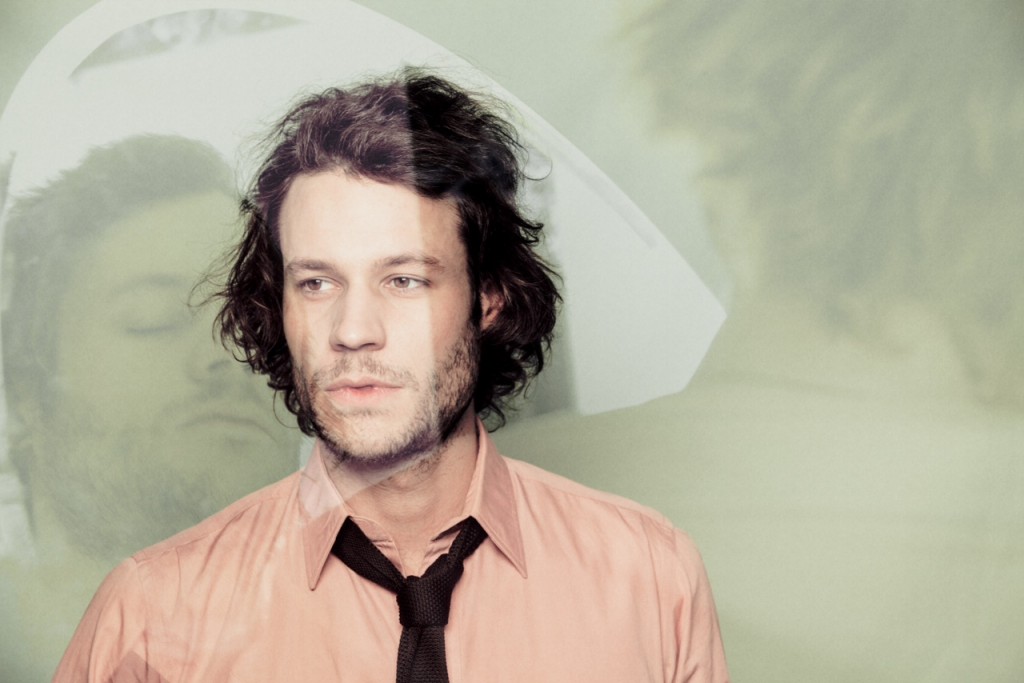
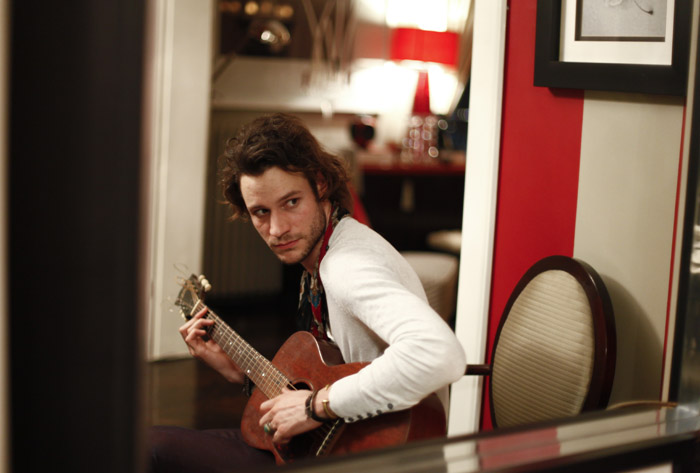
Every day in Istanbul, Allen Hulsey draws Western and Eastern people alike to his live musical performances with a repertoire that spans the spectrum. From the blues of the American South to the timeless rock of Hendrix to the rhythm and intonation of Turkish folk music, he picks out one of his many guitars to execute each piece. And just as his music effortlessly straddles the gap between America and Turkey, so does his personal style. Tall, thin and clad in leather and worn denim, his gravelly voice and direct, confidant gaze are made for the stage.
On his newest, soon-to-be-released single, “God Damn Woman,” his bluesy vocals and rock guitar channel Tom Petty–if Tom smoked less of Bob Marley’s magic and drank more Arabian coffee. Invite a new love to your flat for the first time, pour two glasses of the 1998 Merlot you’ve been saving all week, throw on “God Damn Woman,” and it’s a safe bet you will be wrestling in silk sheets tonight.
Hulsey describes his music: “It has a rock backbone due to the fact that I sing and play guitar on stage. My original songs have picked up several Turkish elements both in their form/writing style and in their arrangements with my band. I also do a lot of covers of traditional Turkish songs, with a more bluesy twist, and Western rhythm.”
A Berklee College of Music graduate, Hulsey headed to New York City in 2006 where he formed the music duo Muj with Istanbul-born and fellow Berklee alum Emre Atabay. By 2011 the scene had changed. “It seemed to me that everyone was out for themselves and the music scene I was part of didn’t seem to have as much cross pollination as it used to,” he says. He returned to Istanbul, where he grew up. “Living in Istanbul [has] opened me up to new possibilities and a larger international music scene.”

The Turkish music scene has come a long way since the European military bands of the 18th century introduced the percussion instruments of the Ottoman janissary band. Arabic music was banned in Turkey in 1948, but starting in the 1970s, immigration from predominantly southeastern rural areas to big cities, particularly Istanbul, gave rise to a new cultural synthesis. Hulsey gives us insight on the cultural progression and how the youth of Turkey respond to mixing styles.
He explains: “There are four main types of traditional Turkish music:
“Sanat Müziði, or art music, is the equivalent of classical or jazz that was the music of the Ottoman court.
“Halk Müziði is the folk music that in many ways resembles blues and is typically played on a 7-string Turkish guitar called a Baðlama. This style has variations based on each ethnic and geographical region, and there are over 20,000 field recordings that were made by Turkish ethnomusicologists during the early part of the 20th century who studied Western classical music in Europe.
“Arabesk, which is a more popular type of music generally associated with a wider mass appeal especially out east, holds some resemblance to the hip hop counterculture in a strange way.
“And Pop Musik is the commercial mainstream that tends to have Turkish melodies with Western sounding production and music videos.”
Hulsey says we can still find the old meyhanes and music halls of the Fasil music tradition, which can be likened to a sort of alcohol-fueled group karaoke where no one is a passive bystander. He assures us that if we as foreigners attend, patrons from all walks of life will pull us to our feet and push a microphone into our hands.
These ingrained musical traditions combined with the larger global awareness and curiosity embodied by today’s youth make it no wonder that this cross-cultured musician is becoming a fixture in the Istanbul scene. Throw in his super chilled-out vibe and relaxed good looks and you have an act that perfectly embodies the modern liberal mindset of the Turkish urban class. As far as Hulsey is concerned, he’s comfortable riding the wave of mainstream popularity for now; where Winston Churchill failed in storming the shores of Gallipoli, Hulsey has taken the capital, not with Tommy guns and grenades but with a Fender, a pocket full of guitar picks, and high-quality spirit.
Check out Allen Hulsey music and tour information at Allenhulsey.com and Facebook.com/allenhulseyofficial.
This has been another Mother’s Day Orphan Production. Article by David Leigh Abts and Kacey Chapin. Edited by Leslie Blodgett. Photo provided by Allen Hulsey.