This is part three of a three part series
An old saying about country music I heard from singer/songwriter Pam Tillis: “When it’s good it’s okay, but when it’s bad, it’s great.” Pam was talking about camp. Camp is a term that refers to an aesthetic appreciation for bad taste, overwrought dramatic works, naïve middle-class pretentiousness, and all things cheesy. Velvet Elvis paintings and Soap Operas are embraced on an ironic level by the “sophisticated” class. Kitsch becomes cool through a camp sensibility. Camp and Comedy Noir are not to be conflated. Camp is safe and trend driven. For example, John Waters’ Serial Mom is an exercise in camp, and not Comedy Noir. While the story deals with a suburban housewife who goes on a killing spree, the actions are presented in a cartoonish, non-threatening way. The emphasis is on the garish trappings and mannerisms of banal, middle class, strip-mall life. The film is too tame to claim Comedy Noir cred. On the other hand, a film with a similar milieu, To Die For, is Comedy Noir at its militant best.
“Exploitation Film,” as a marketing term, is not a pejorative. The term denotes a particular niche product, usually of modest budget and without major stars, or with stars on the wane. The Exploitation Film promises a level of lurid content (sex, action, violence) expected by its target audience. Sometimes the Exploitation Film becomes camp with age, spawning retro remakes like Eight Legged Freaks and Black Dynamite (which are fun, but can’t deliver the authentic cheesy energy of the originals). By the time the Child’s Play series got to Bride of Chucky, the ad campaign oozed a strong sense of morbid humor, but the franchise is more in the realm of camp exploitation/ horror than that of Comedy Noir.
Screenwriters and other storytellers out there may ponder, “Is my story a Comedy Noir?
Ask yourself: Do I have something to say about society and the human condition that could be morbid, repulsive, shocking, irreverent, subversive, disgusting, deviant, and really, really funny? If your story demonstrates that influence, attitude, and point of view, maybe so: if you’re playing it safe, probably not. I use the term Comedy Noir to denote films with certain ruthless characteristics, including subversive creative genius, and to give them their due. Besides, when Zack Galifianakis jokes on SNL about confusing “dark comedy” with movies by the Wayans Brothers, you know we need a better term.
Comedy Noir is not simplistic in its reach to challenge and entertain with real meaning. A successful Comedy Noir story must be more than a collage of cheap shots against easy targets, or a series of shocking events and behaviors that gross out for the sake of grossing out. The low humor sometimes portrayed in the artistically successful Comedy Noir is really only effective when it simultaneously works as a sophisticated sort of high comedy. There must be truth in the story if it is to hit home. The subtext goes deeper than the immediate characters and absurdities, and into the realm of social, philosophical, and metaphysical meaning. True Comedy Noir goes beyond exploitation, camp, or satire. It reaches high to confront us with our assumptions about a meaningful, moral world, and reveal the absurd, primitive, greedy, and irrational dimensions of our selves.
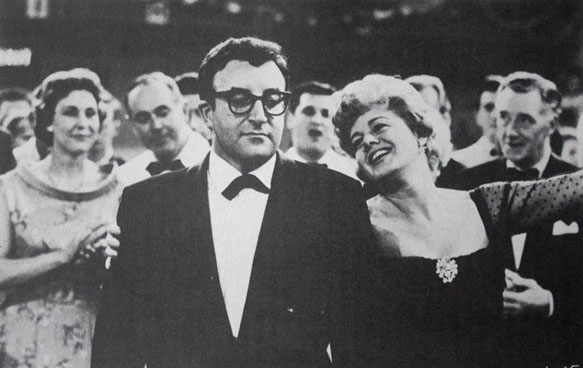
I welcome suggestions for films (including foreign) to add to my growing Comedy Noir list. Here’s my personal top ten list of (American) Comedy Noir films, in no particular order:
1. Lolita
2. To Die For
3. Fargo
4. Starship Troopers
5. Team America: World Police
6. Observe and Report
7. Catch 22
8. Happiness
9. Dr. Strangelove
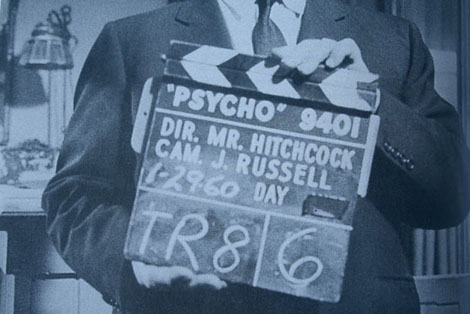
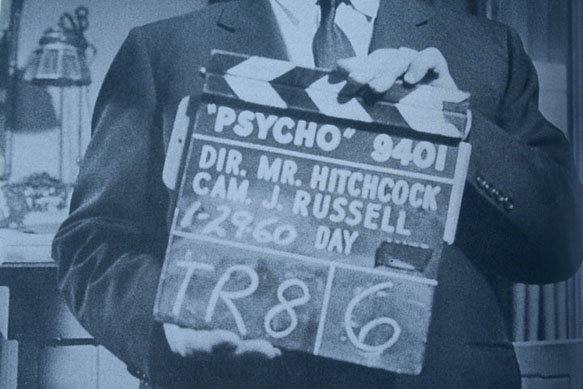
10. Psycho
– David Warfield