Lately, there’s been a lot in the press about Ziger/Snead Architects–from being recognized as one of the top 50 firms in the country to the recent buzz around the reopening of the Parkway Theater under their design. If you do just a little digging, you might be surprised to find Ziger/Snead’s bylines on some of the most iconic recent additions to the Baltimore cityscape. I got the chance to check in with one of the partners, Steve Ziger, about the firm’s successes and just what about Baltimore as a physical space makes it so unique.
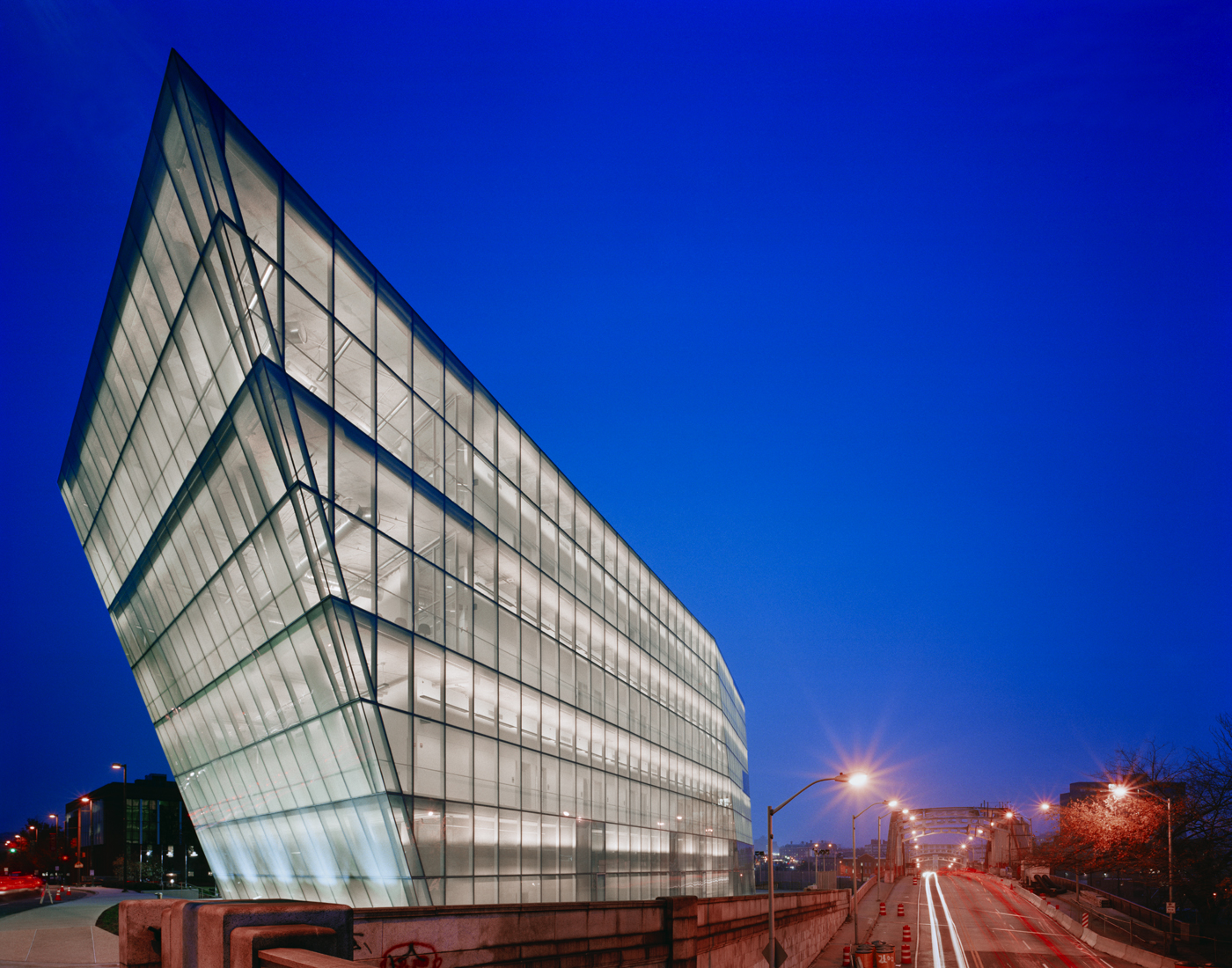
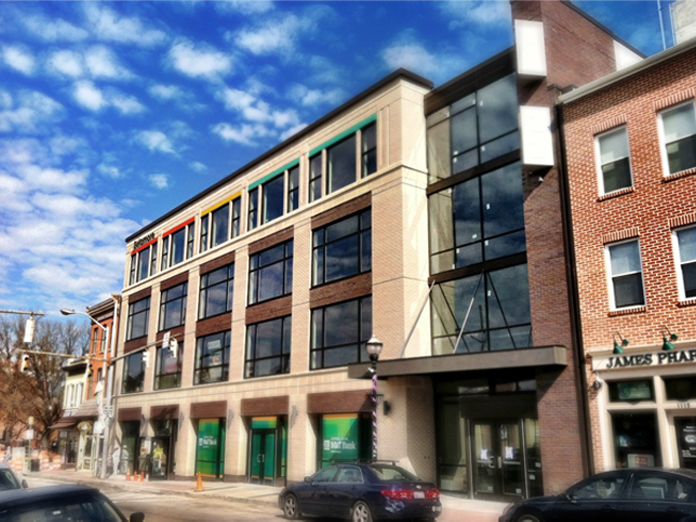
MICA Brown Center // photo: Eduard Hueber
What are some of your favorite Ziger/Snead projects? Why?
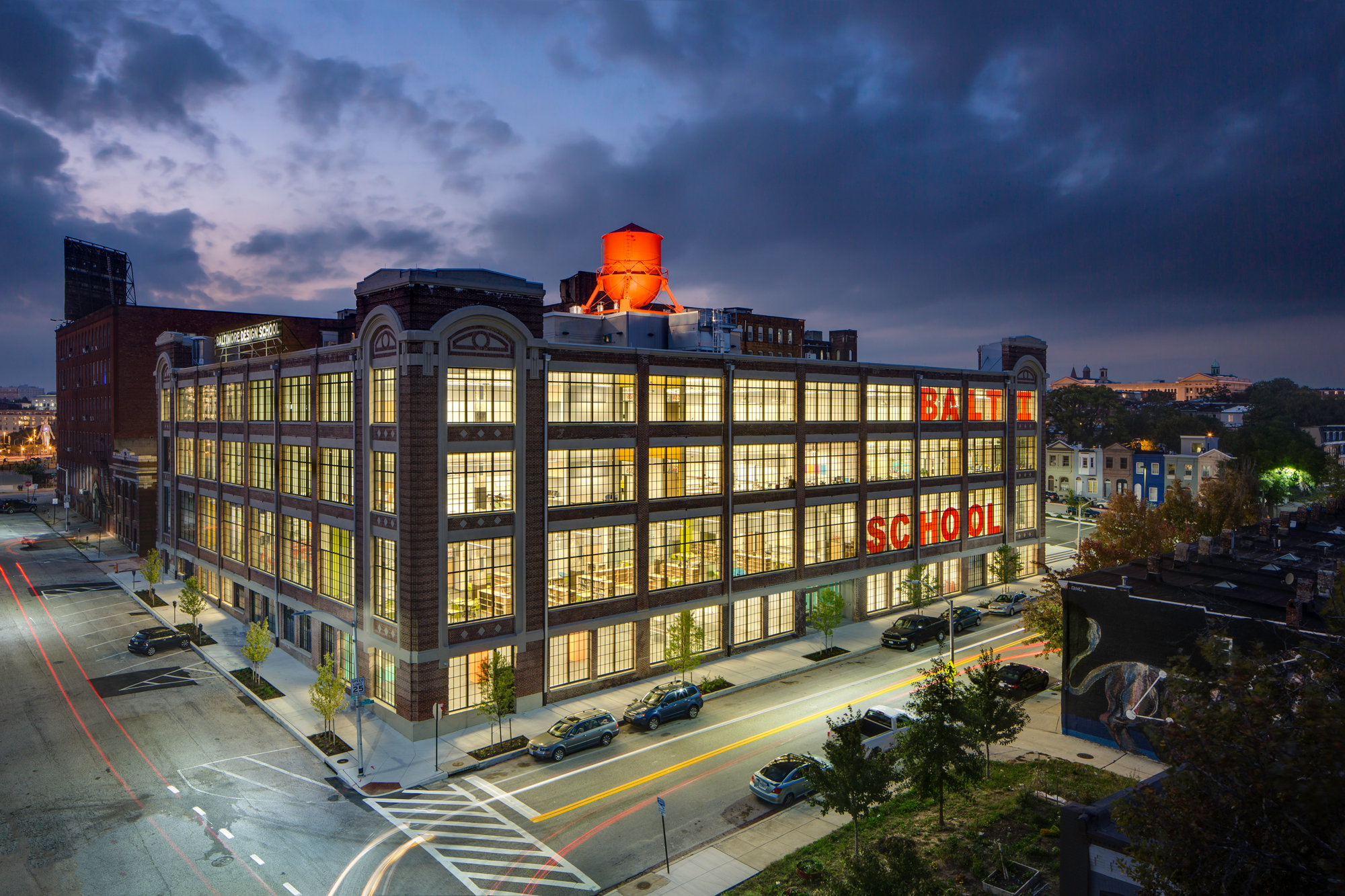
Steve Ziger: It’s hard to pick favorites! For us, the best designs help to build community, and we are proud of how our projects have contributed to Baltimore. Since we’re celebrating our 30thyear, I’ll pick one from each decade. In the beginning, the Head Theater at Center Stage garnered national attention and set us on a path of designing for non-profit and cultural institutions. Following that I think MICA’s Brown Center, which we did with Charles Brickbauer, was a bold declaration of the power of design to transform an institution and its community. And most recently, the Baltimore Design School is nationally recognized as a model of historic preservation, community revitalization, and educational design excellence.
Baltimore Design School // photo: Karl Connolly
What are your favorite buildings in Baltimore, outside of what your firm has designed? Why?
SZ: My favorite building in the City is the B&O Roundhouse. It was a very modern building for its time, and perfectly captures both the function and spirit of its age; invention, faith in progress, enthusiasm for technology, entrepreneurial drive, and respect for labor. This structure captures the essence of Baltimore’s faith in itself at the time. It is an inspiring cathedral to industry and progress.
What do you think makes the landscape of Baltimore different from other cities? Specific elements? General impressions?
SZ: I once had a minor argument with one of Philadelphia’s urban planners, Robert Geddes. He said that the problem with Baltimore is that it doesn’t have a clear diagram, like the plan of Philly. I argued that Baltimore’s organization is much more subtle, and based more in section than in plan. It is our topography and our relation to the watersheds and the harbor that define our history, our neighborhoods, and our character. From the beautiful series of valleys and ridges to our north, to the major stream valleys that ultimately feed into the harbor and the Bay, Baltimore is blessed with a variety of landscapes that determine street grids and public places. Bike along Charles Street and you will sense the series of ridges that radiate from the harbor like ripples in a pond. The long rows of townhouses accentuate the topography, and, by their density, help to create the sense of community we love. The city fabric is really created by the network of open space interwoven with the built environment. Through the One Park initiative of Parks & People, a growing number of us are coming to realize that we are really a city in a park.
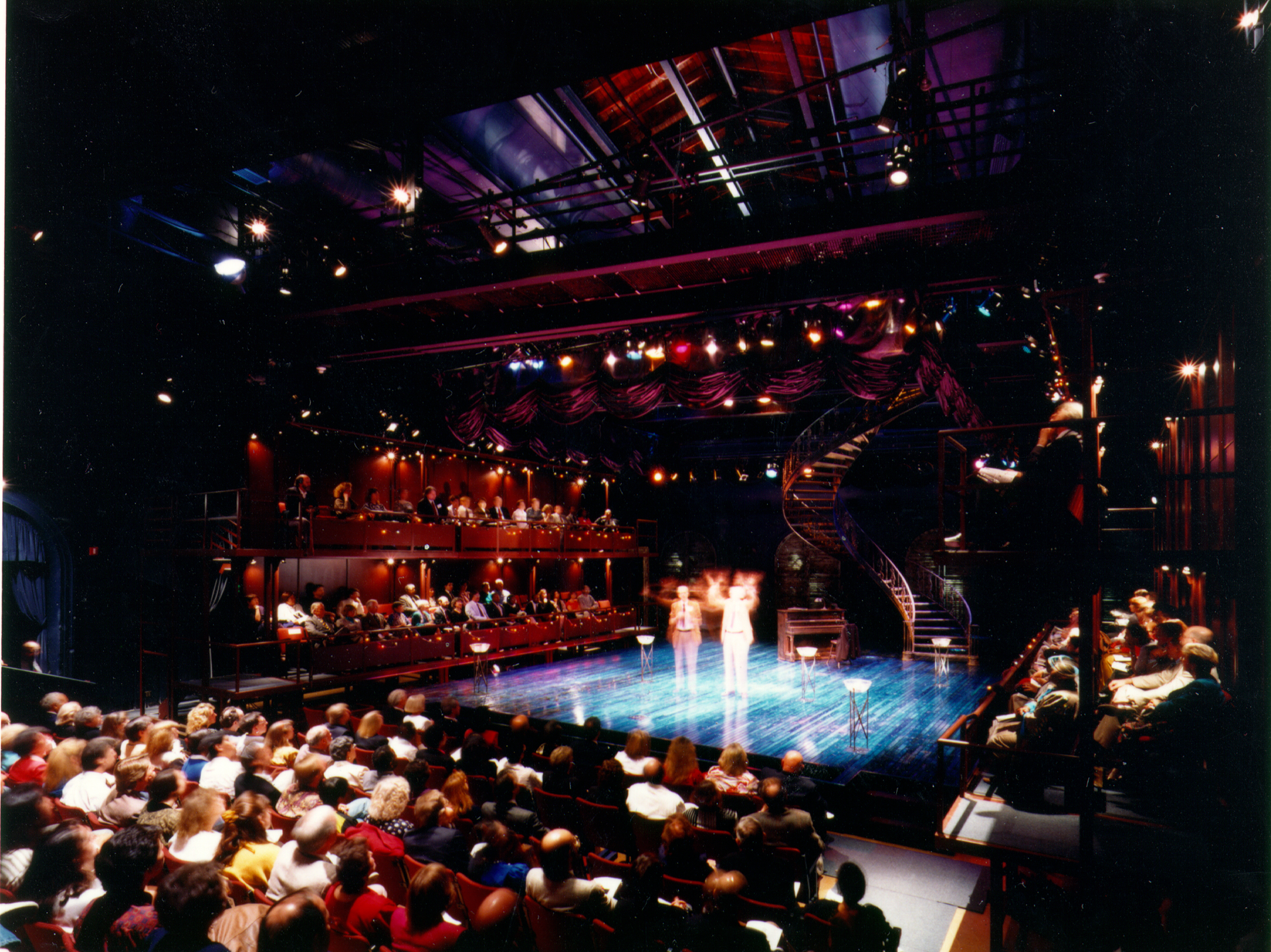
Centerstage Head Theater
How has this landscape changed in the time you’ve lived in Baltimore?
SZ: I moved here in 1977, so the city has changed a lot! The most fundamental change has been in the shift of focus from isolated, stand-alone projects of the ‘60s and ‘70s to a growing investment in the connections between areas of development. The focus has shifted from, say, Harborplace, to the entire public realm that surrounds the harbor; from Charles Center to substantial improvements to the pedestrian experience along Charles Street; from isolated parks to connected greenspace and bike trails. Hopkins is now focusing on the importance of connection and is joining with MICA to invest in Station North. This connectivity is reinforcing our sense of identity and community, and helping to attract new residents to the city.
What neighborhoods in Baltimore have seen the most change?
SZ: Obviously everywhere along the water, the transformation driven by EBDI in East Baltimore, and the incredible impact that MICA has had in Bolton Hill and Station North. But valet parking in Hampden?! Who could have predicted that?
General question: what do you love about Baltimore?
SZ: What I love most is that you can make a difference here. When I moved here after college, I didn’t know a soul, but quickly learned that people care deeply about this place and are more than willing to dream, to create, to imagine, and to work together to make it better. Sure we have our challenges, but we’re getting better because we come together as a community. I’m proud to be a Baltimorean.

Ziger/Snead Partners