I am in my office, dawdling, feeling stubborn and justified in my procrastination. I’m worried. How, I wonder, can I possibly convey the elements that make the UB MFA program so unique in the confines of just one paltry article? Where should I start? What should I include? What should I omit? Why the hell did I even pitch this assignment in the first place?
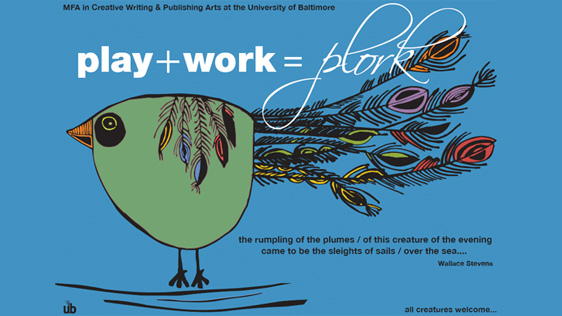
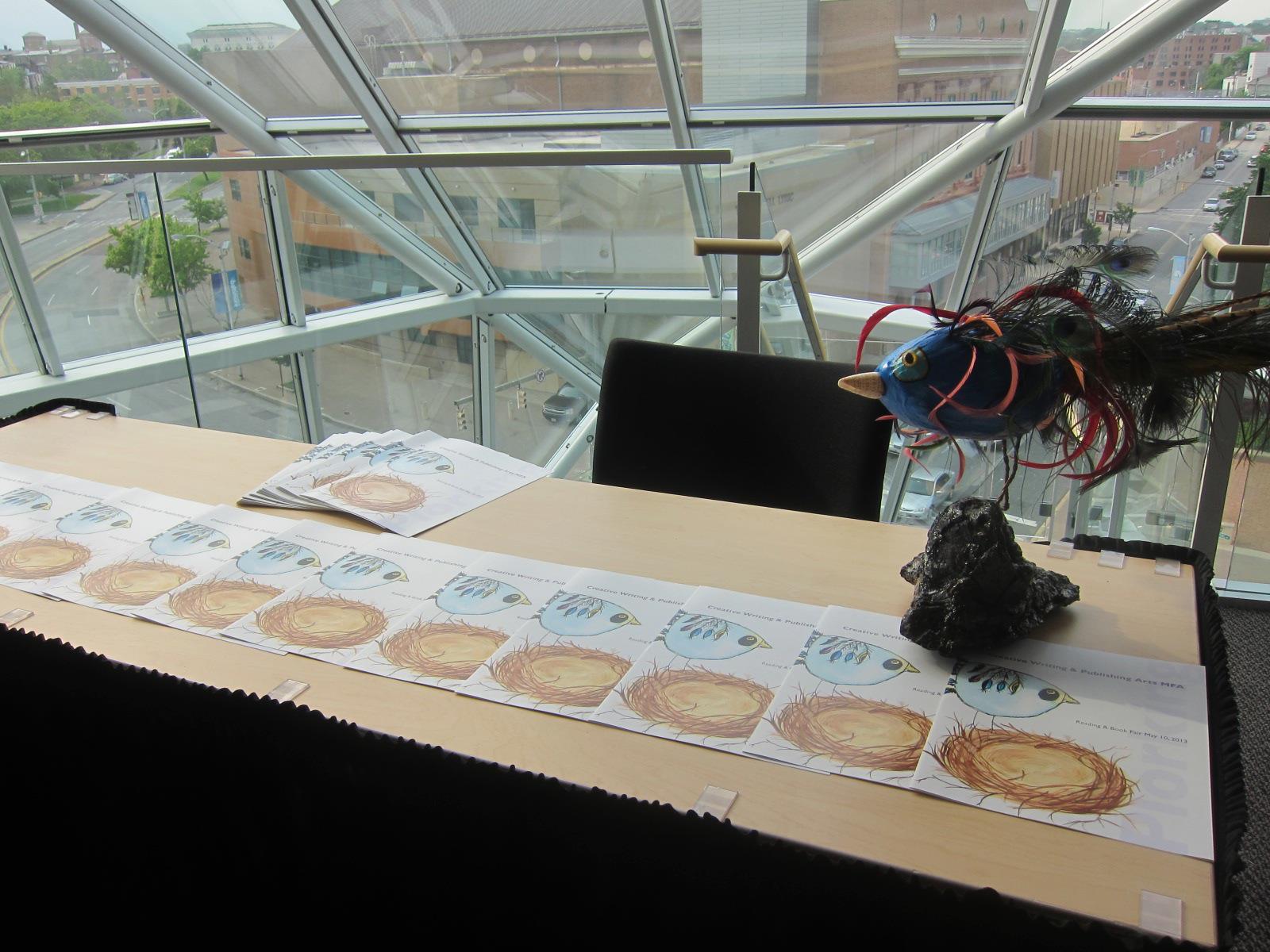
On the wall next to me is a blue hard-stock poster featuring the U.B. MFA’s “Plork Bird”—its unofficial mascot. Plork Bird is a cartoonish concoction of varied avian features: pigeon toes, peacock feathers, the stoic no-nonsense beak of a nighthawk. Its first name—Plork—is a portmanteau of the words “play” and “work.”
I sigh—lost in my inhibition and self-doubt.
Then, amidst the dust molecules and sunbeams bursting from the window across the room, an image of Kendra Kopelke, the program’s director and founder, appears. She’s dressed in her usual flowing garb, all scarves, earth tones, and coiled blonde hair. “Use the ‘plork’,” she whispers. “Just have fun with this article. Plork until your little heart’s content. Wee!” She tilts her head back and giggles. Then she disappears again.
Now that, I think, was a true Star Wars moment. Thank you, Obi-Wan Kopelke. Thank you.
Here’s a scene: Kendra, professor Steve Matanle, and I are sitting around a faux-wooden table. It’s a sunny Saturday morning and we’re in Kendra’s office, which is cluttered with books, paintings, art prints, and earthy trinkets—all of which I want to touch.
I’ve just told them that I’m about to press the “record” button on my laptop when Steve stops me. “Wait,” he says. “What are we going to start with?”
Silence.
“Start with the beginning,” I suggest, immediately hating myself for having used such a preposterous phrase. I clear my throat. “Talk about Creativity class, I mean.”
Steve and Kendra nod in unison. I push the “record” button, wait a few seconds, and then nod, signaling them to start.
“‘Creativity: Ways of Seeing’ is the required first course all new grad students must take,” Steve says. “Its purpose is to get the students to consider all sort of mediums.” He pauses, expecting, I think, Kendra to jump in. But she is smiling and nodding, looking down at the floor. It’s as if she’s not here to do any speaking at all, I think.
Steve continues, “It’s important to remember that the creative process consists of all of your senses combined. Sometimes artists, especially writers, forget that.”
Kendra looks at him, still nodding. Then she chimes in. “That’s right. And we also want the students to start off enjoying their work right away. Grad school should be a riveting, unforgettable experience from the get-go.”
Now Steve is doing the nodding. They are taking turns making points and silently agreeing with whatever point the other makes. One speaks, the other nods.
Then Steve gets to talking about the other courses required in the program. There’s “Type & Design for Writers,” “Book Arts,” “Electronic Publishing,” “Experimental Forms,” “Seminar in Literature & Writing,” and the capstone conclusion courses “Thesis I” and “Thesis II”—taken concurrently. It’s in this final “theses” class that students design, compile, and transform their manuscripts into book.
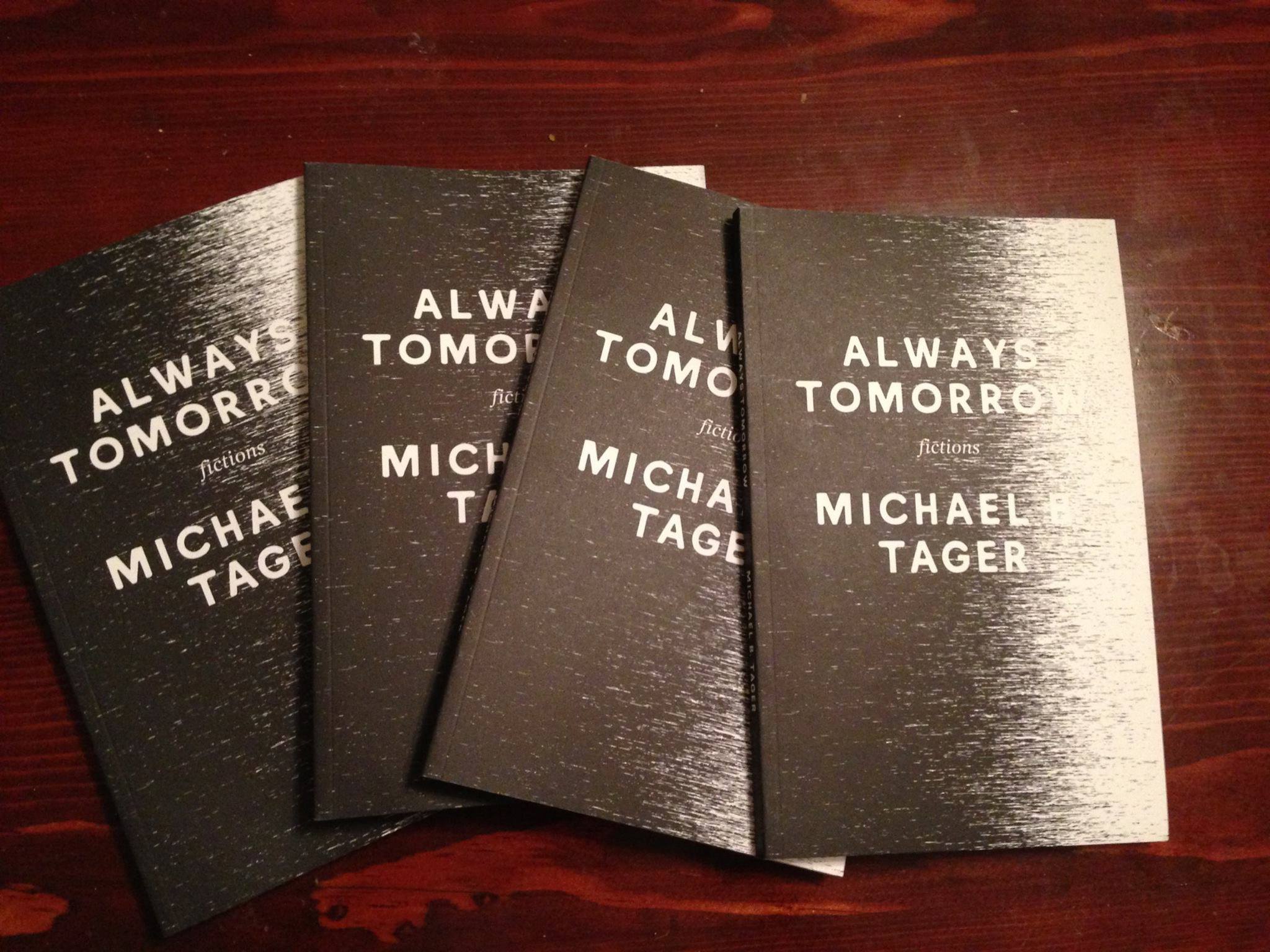
“Through this curriculum students emerge from the program not just as masters in creative writing and publishing arts, but as published authors as well,” Kendra says.
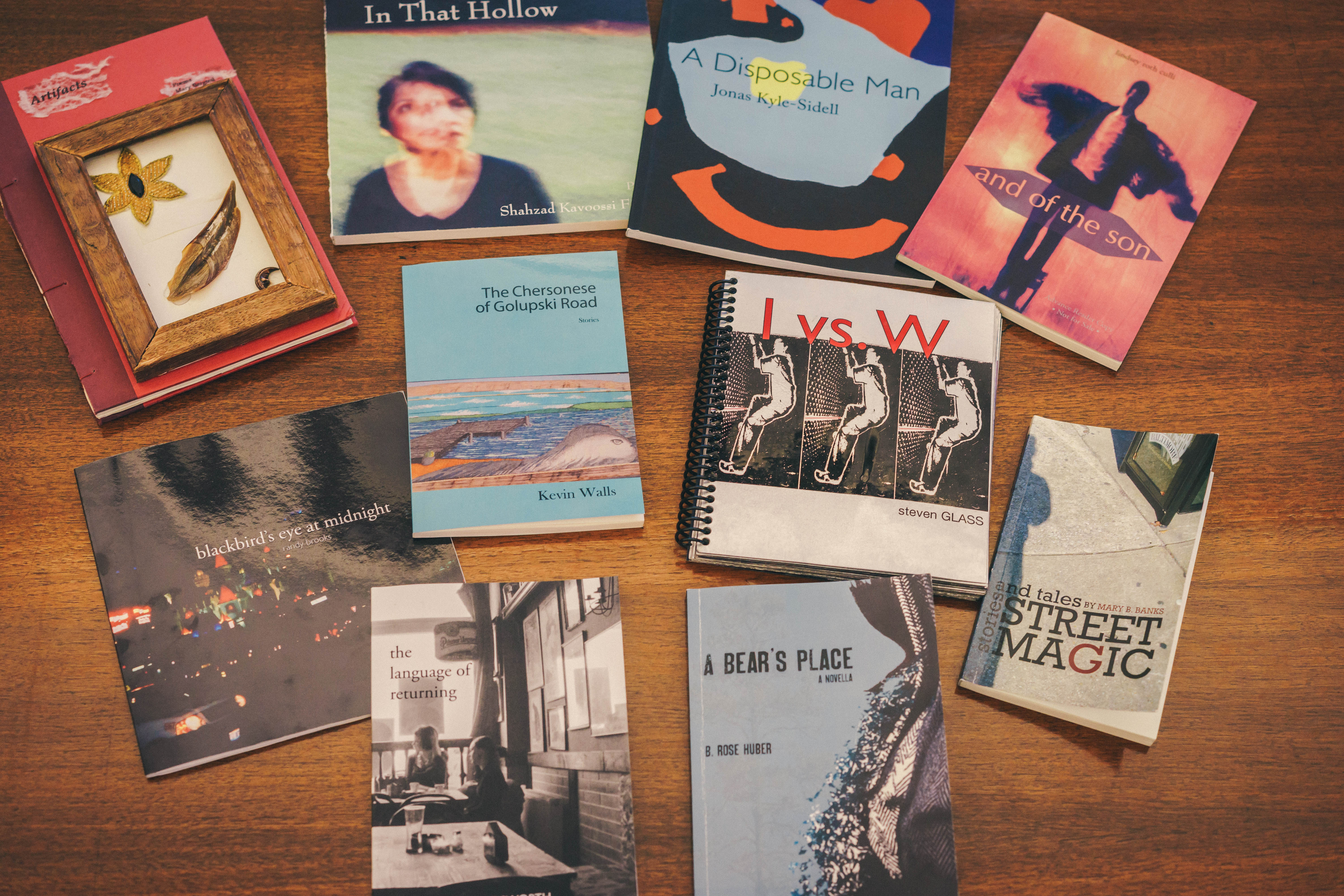
Photo by Isaiah Winters

Photo by Isaiah Winters
What attracted me to U.B. was the fact that, unlike other MFA programs, U.B. candidates are expected to design their final books, all the way down to the complimenting cover and content fonts, page slugs, page bleeds, margin settings, stylistic dashes of choice (of which there are two: em and en), and myriad other design and typographical options. This is where professors Pantea Tofangchi, Jenny Marin, and Meredith Purvis come in. They guide students through typography, graphic design, book design, and book-binding.
“Not only do the students emerge from the program as masters in creative writing and publishing arts and as published authors,” Steve says, “they emerge as graphic designers as well.”

Photo by Isaiah Winters
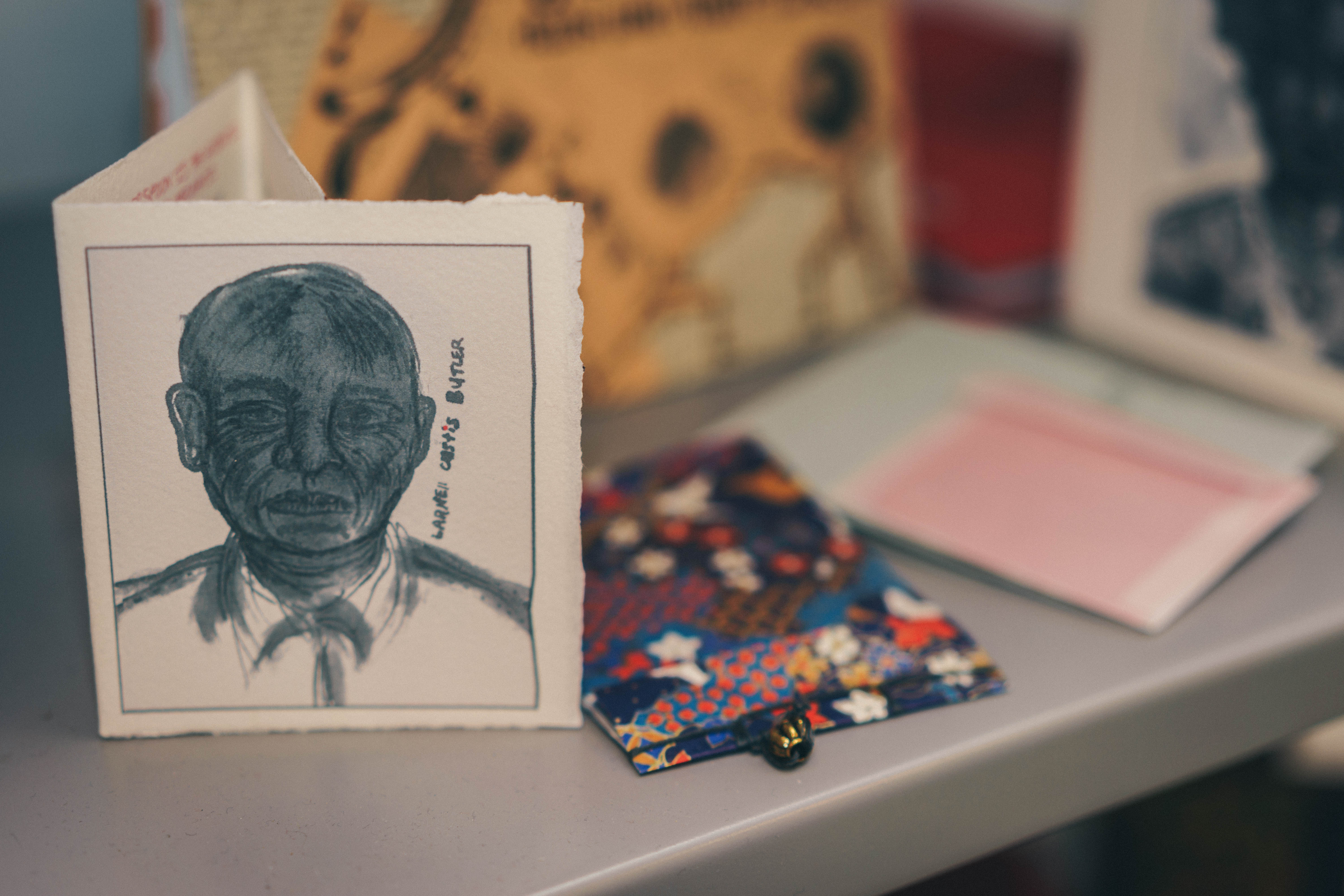
Photo by Isaiah Winters
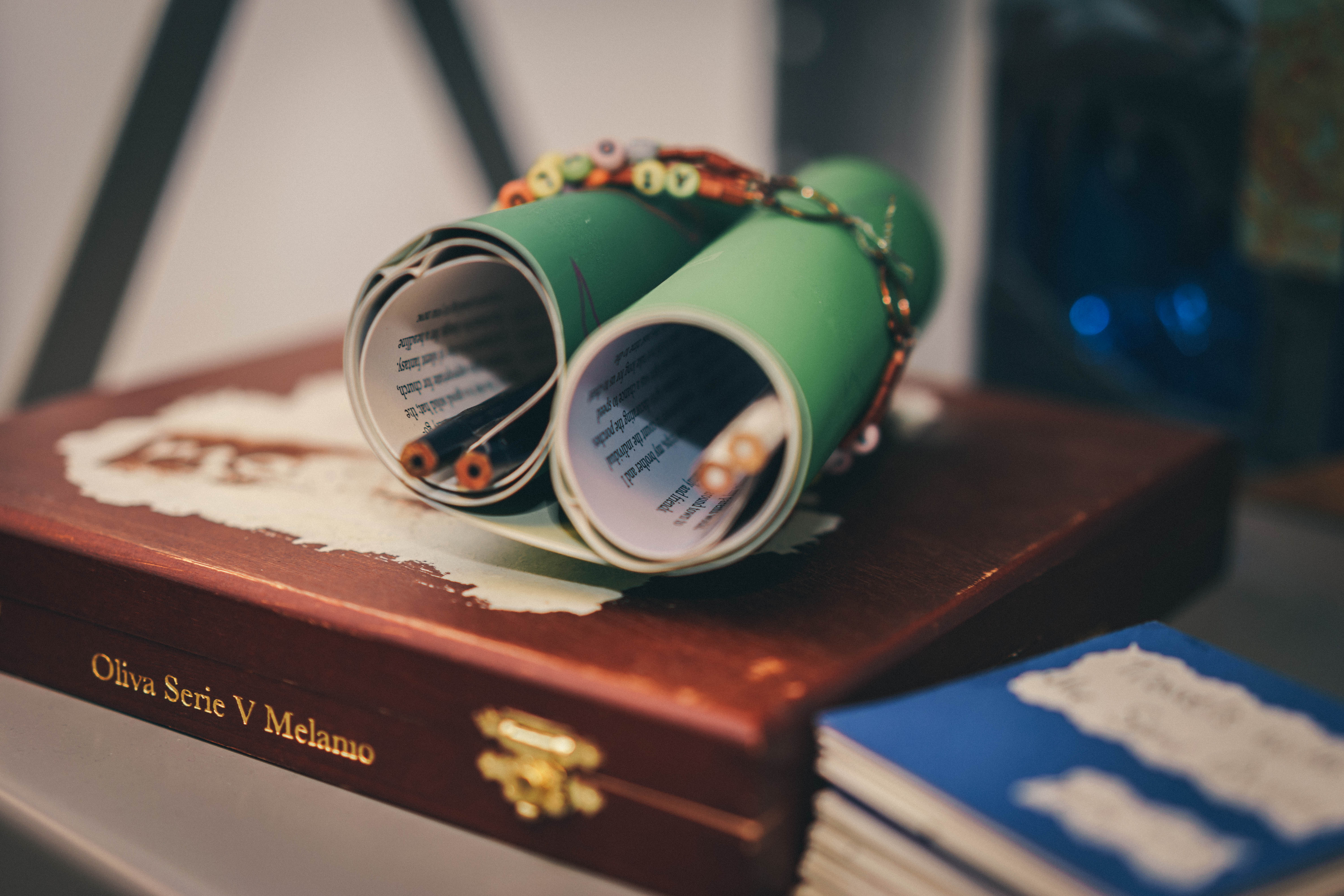
Photo by Isaiah Winters
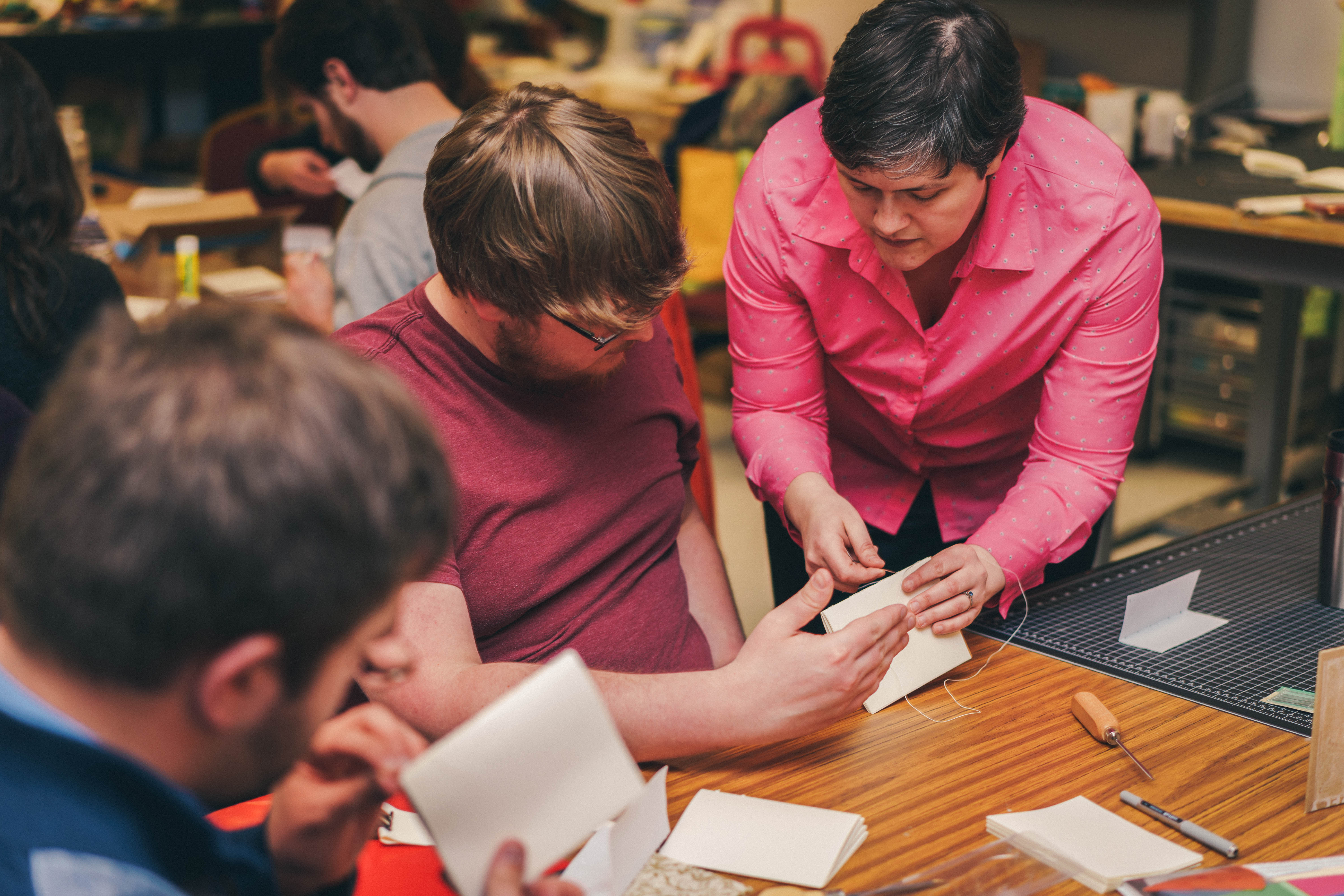
Photo by Isaiah Winters
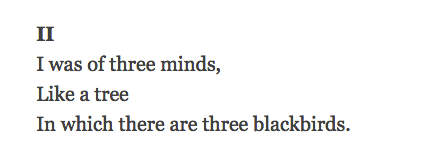
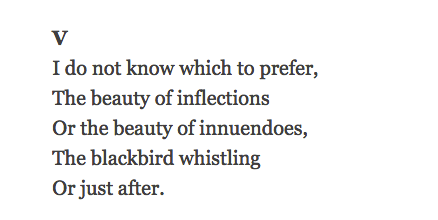
Then Kendra starts delightedly talking about one of her favorite times of the school year: the Creativity class parade. Indeed, each fall semester she and Steve escort students out of the building and into Mt. Vernon, the lot of them armed with instruments and poems and a blackbird puppet.
This, I suspect, is their way of letting the new candidates know that the U.B. MFA program isn’t one steeped in competition. It’s not a hostile atmosphere with students clamoring on top of one another to have their voices heard, their words read first by the professors. It’s a celebration of writers, playing and practicing their instruments together.
These new candidates marching behind Steve and Kendra each fall, self-conscious, worried because passersby are staring at them, have yet to fully realize the bonds they will soon be building, the friendships that soon will be formed. Presently, all they know mid-parade is they’re a little uncomfortable. But having fun regardless.
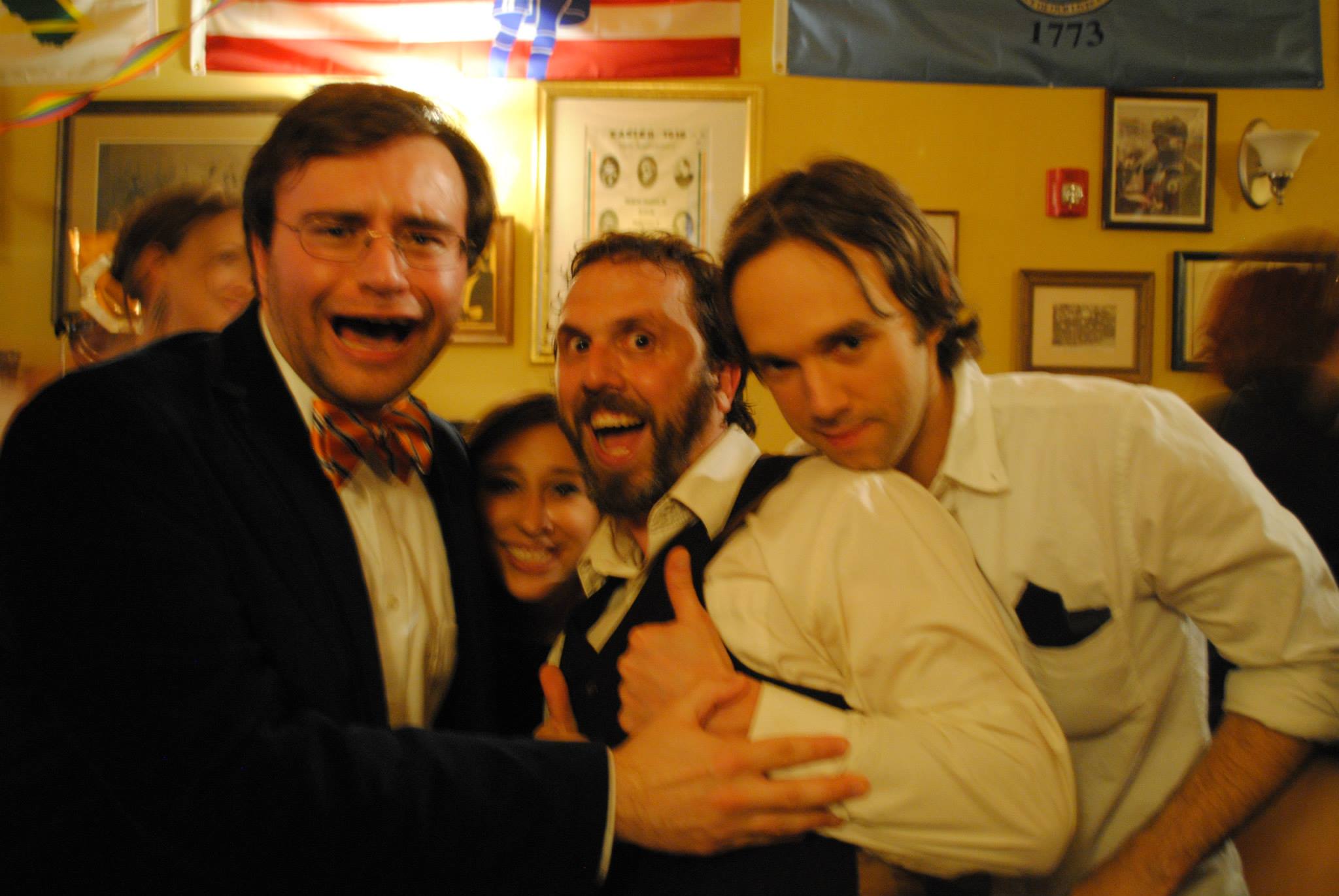
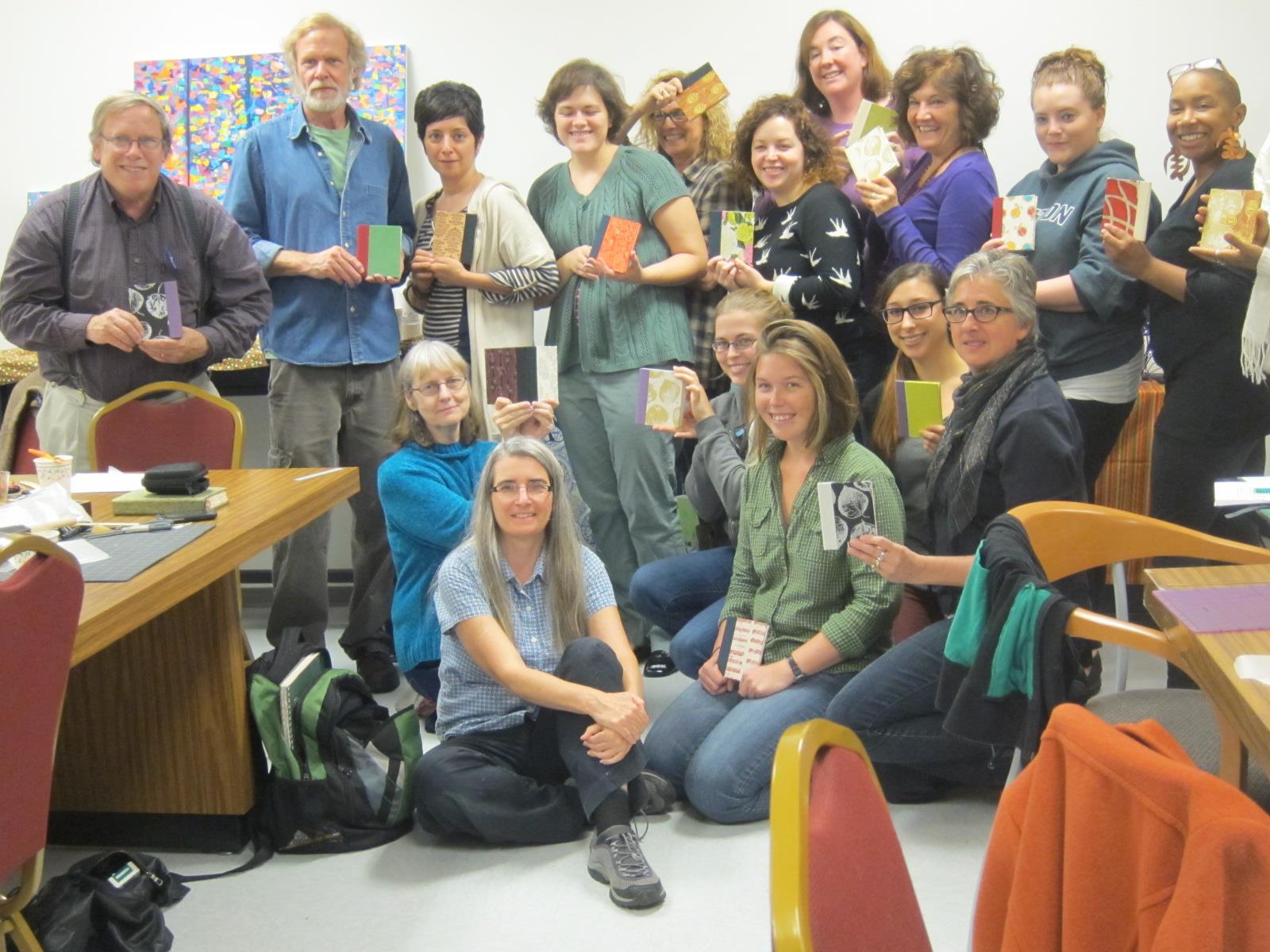
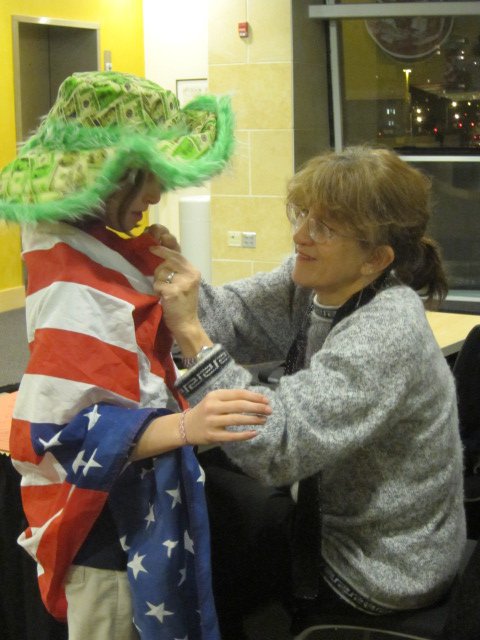
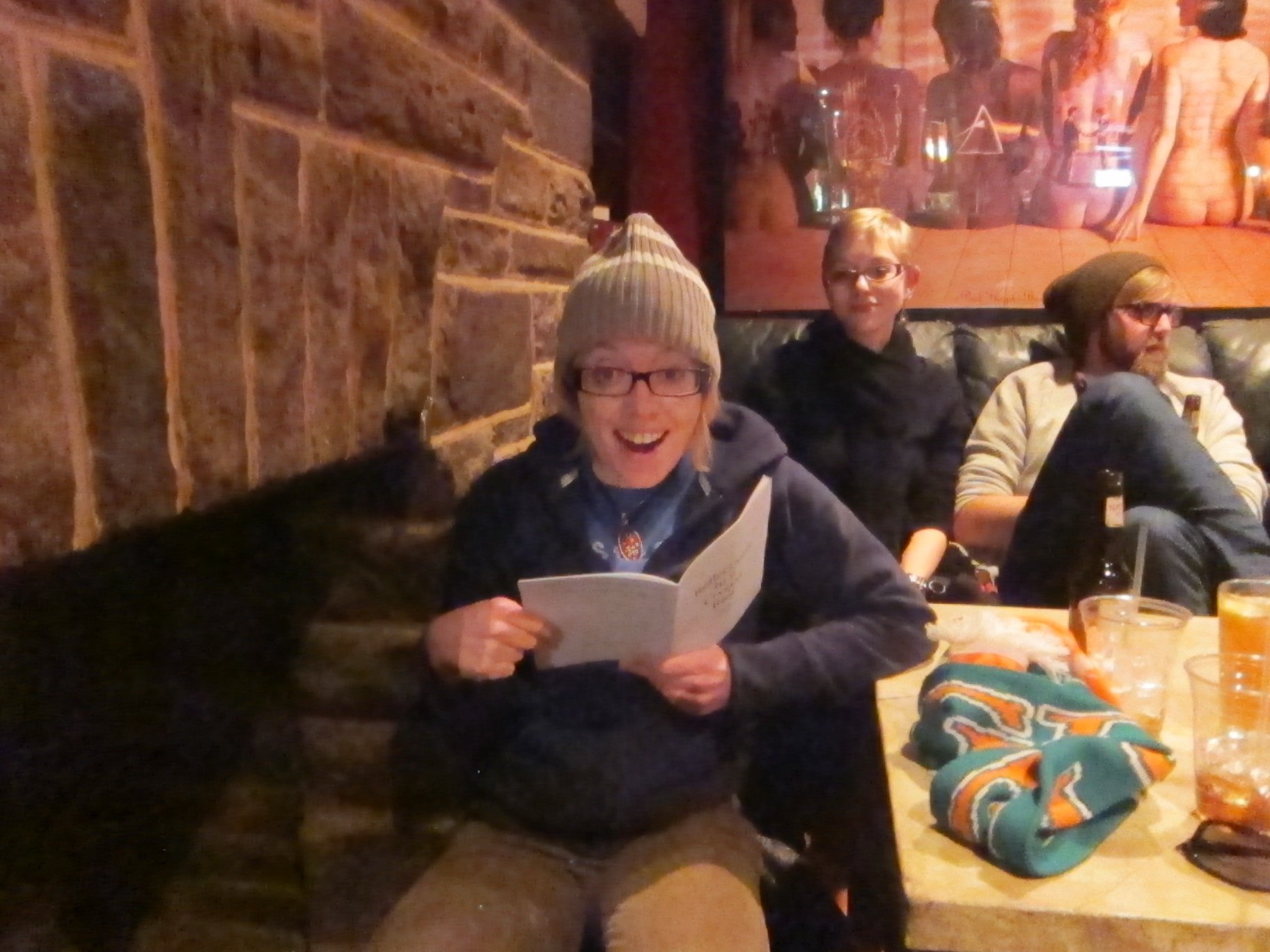
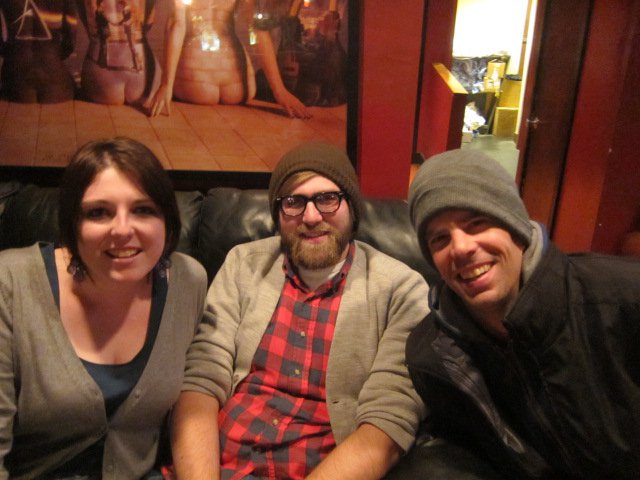
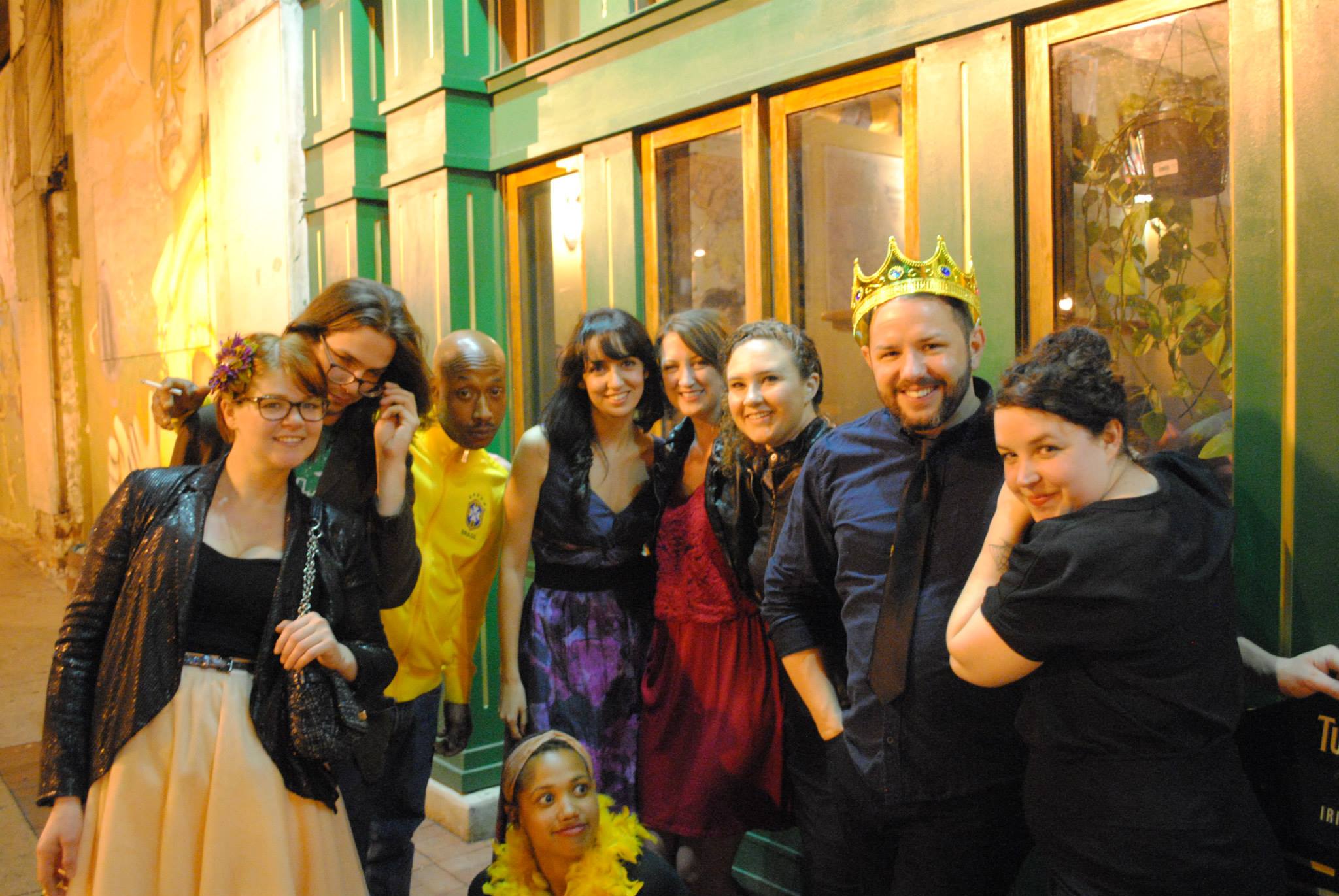
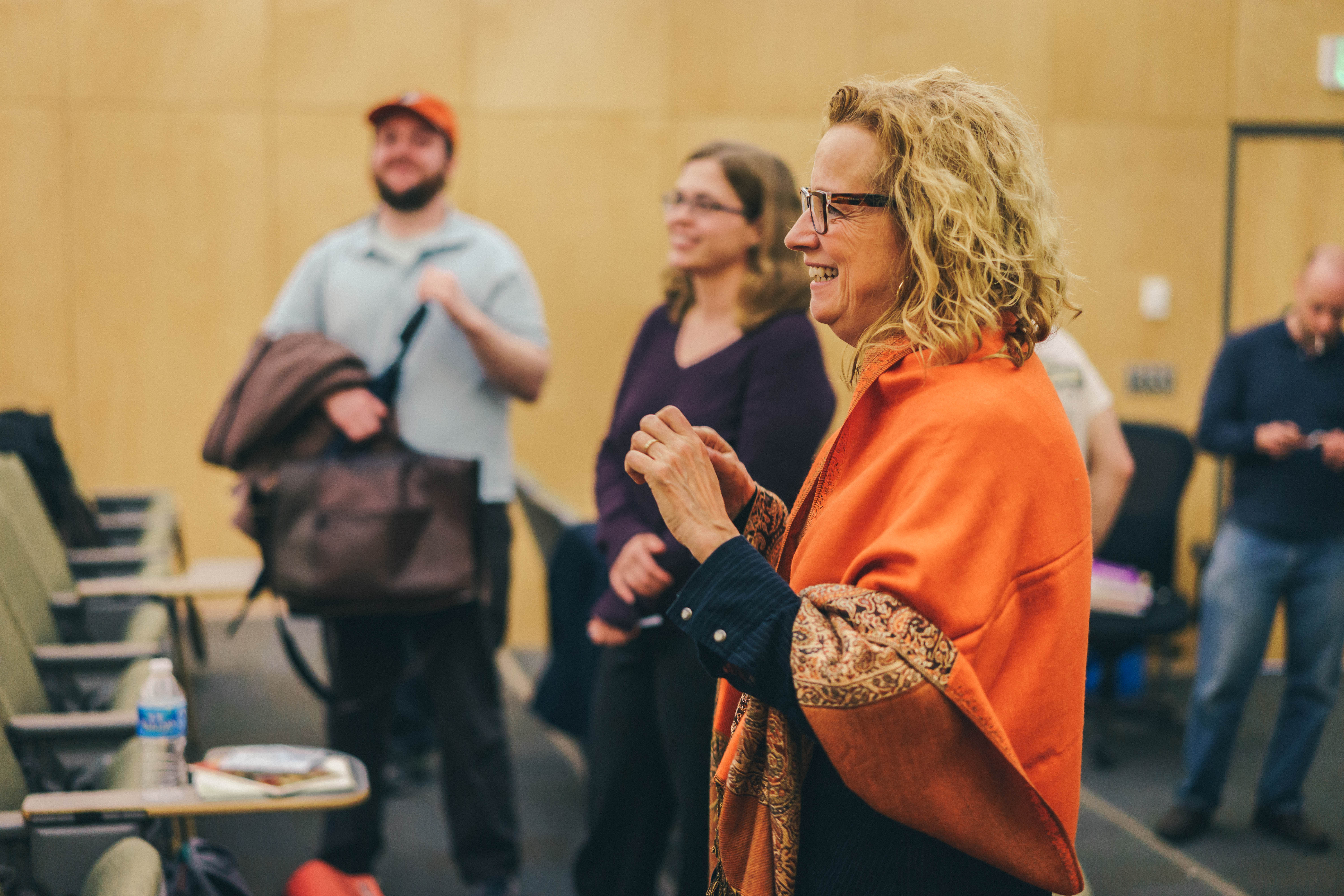
Photo by Isaiah Winters
But as non-competitive as the atmosphere is, each class is no “walk in the park” either. Because there’s a big difference between walking in parks and marching in literary parades. And the professors hold each student accountable for his or her potential.
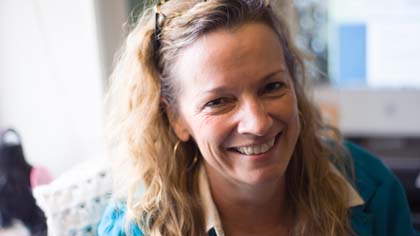
Kendra Kopelke, Director, Poet, Professor
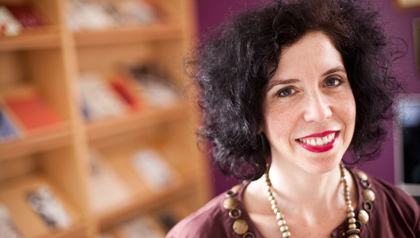
Betsy Boyd, Author, Professor

Jane Delury, Author, Fiction Professor
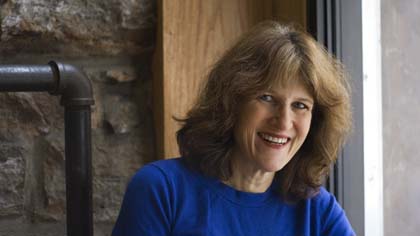
Marion Winik, Author, Memoir/Nonfiction Professor
Stephen Matanle, Poet, Professor
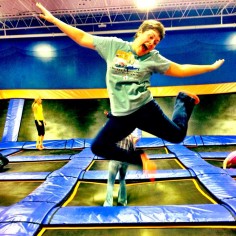
Meredith Purvis, Author, Book Arts Extraordinaire
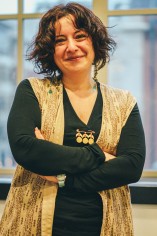
Photo by Isaiah Winters
Pantea Tofangchi, Poet, Typography Professor
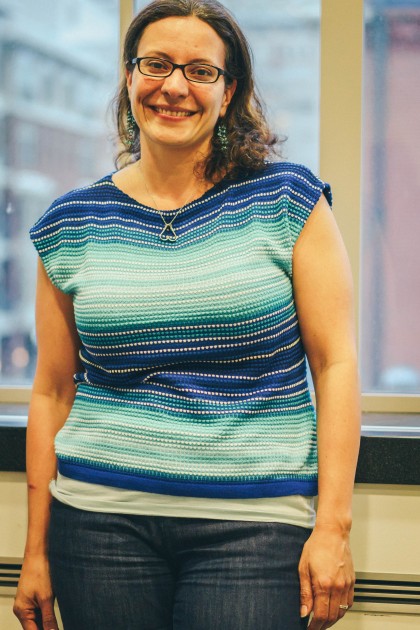
Photo by Isaiah Winters
Jenny Marin, Graphic Design, E-pub aficianado
“The workshop courses are integral to each student’s success. Constructive criticism is one of the primary reasons—perhaps even the most important—a writer will grow,” Steve Matanle says.
Again, Kendra is nodding. “Absolutely,” she says. “And all the teachers are phenomenal. They really are. Marion, Jane, Betsy…”
“And James,” Steve says.
“And James!”
Oh, right! And James!
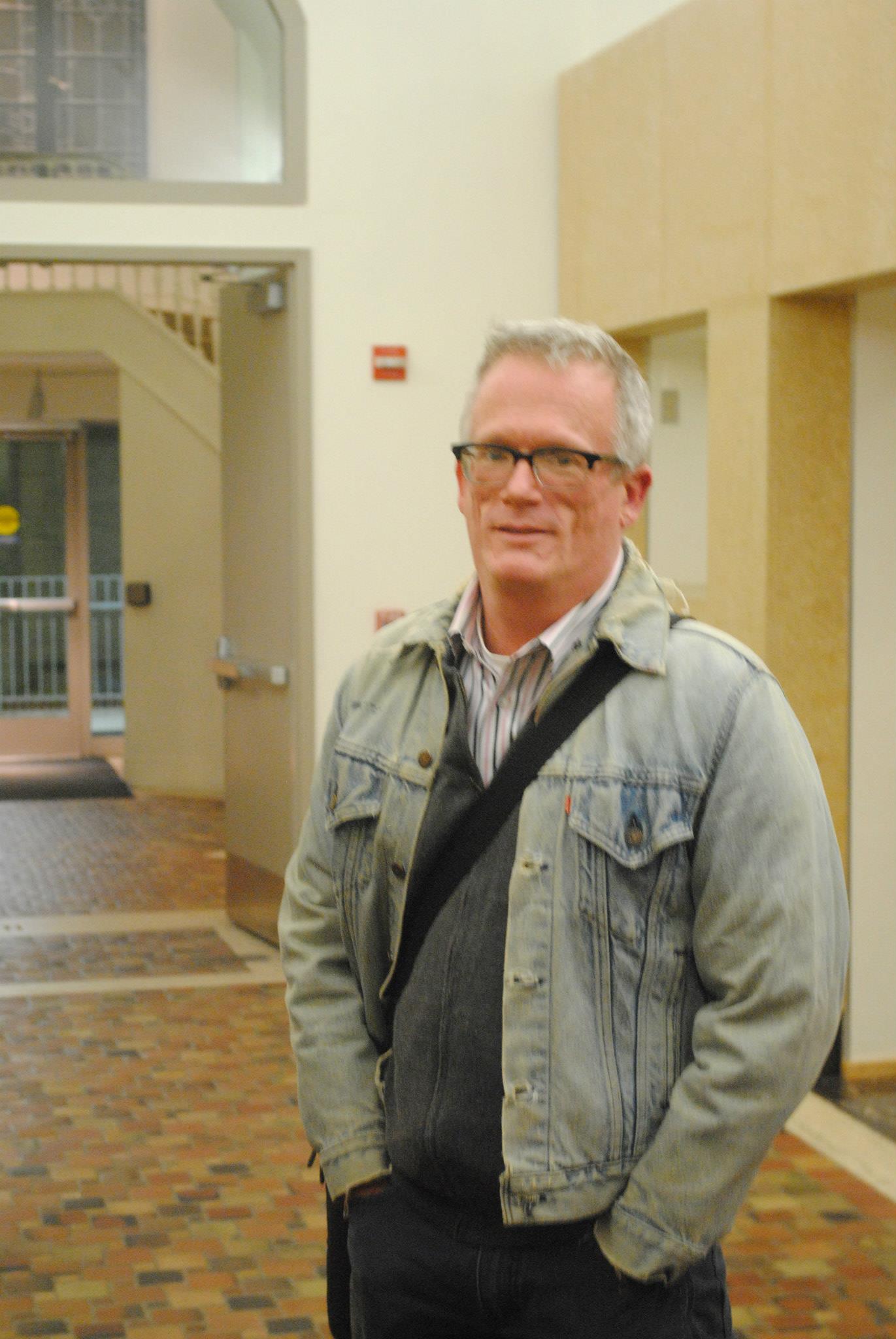
James Magruder, Author, Professor

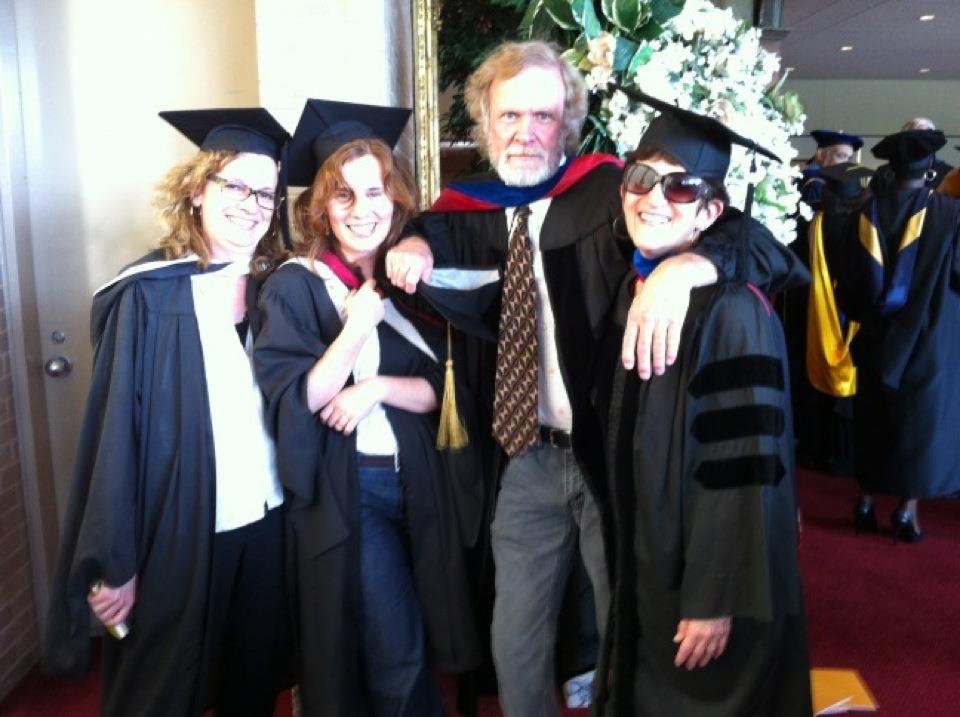
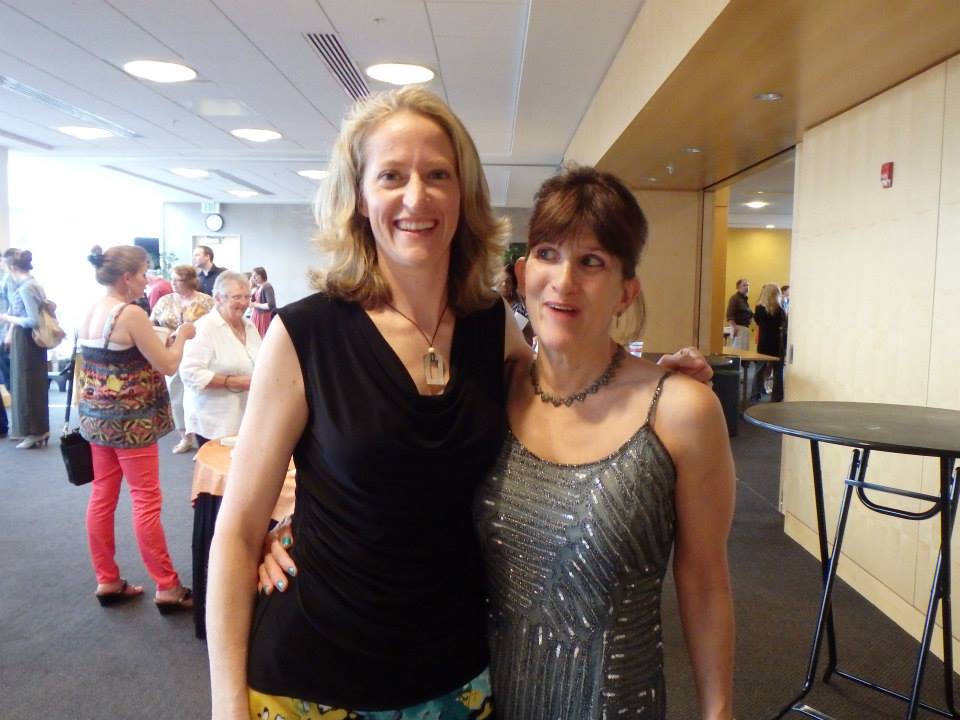
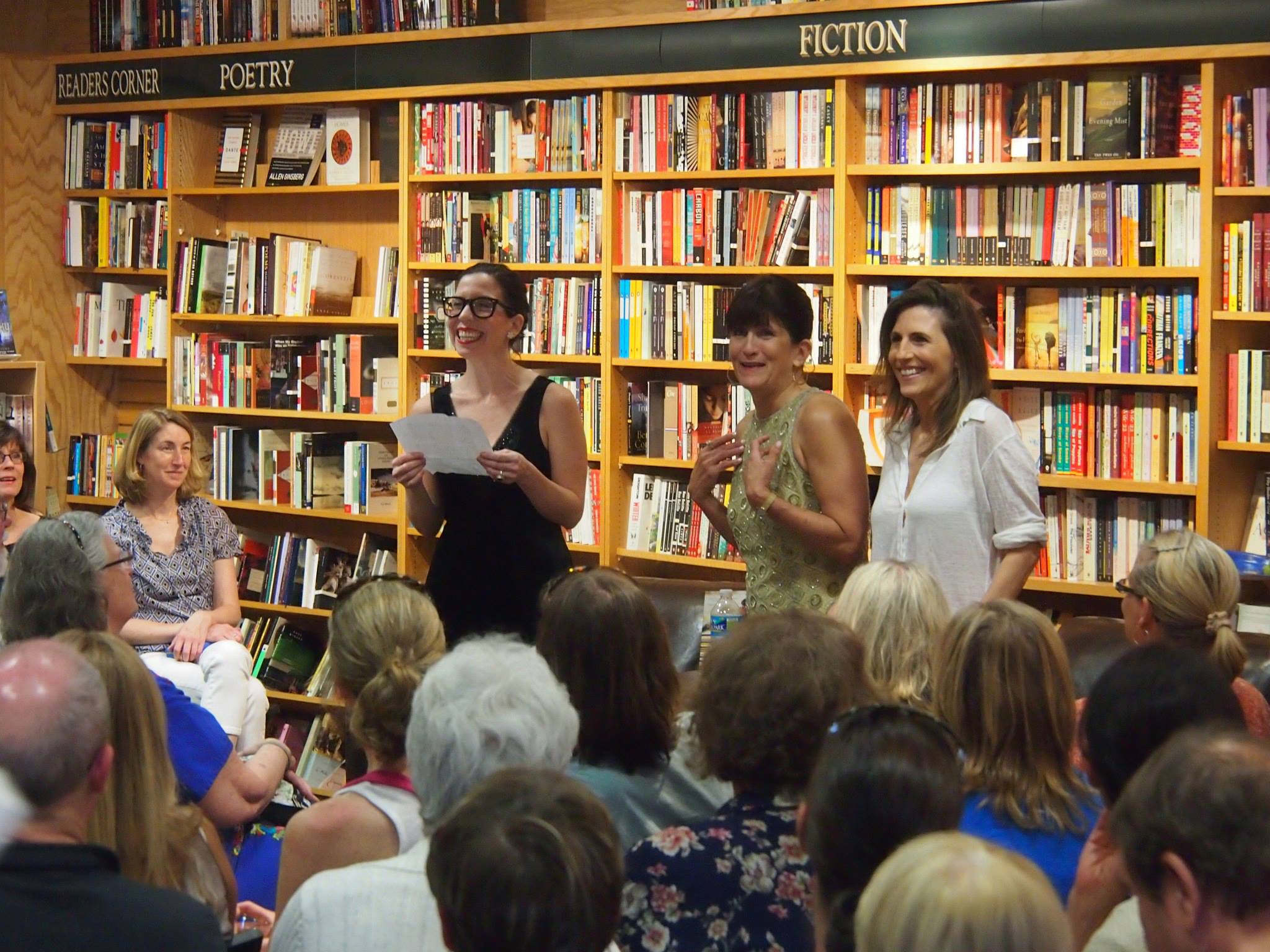
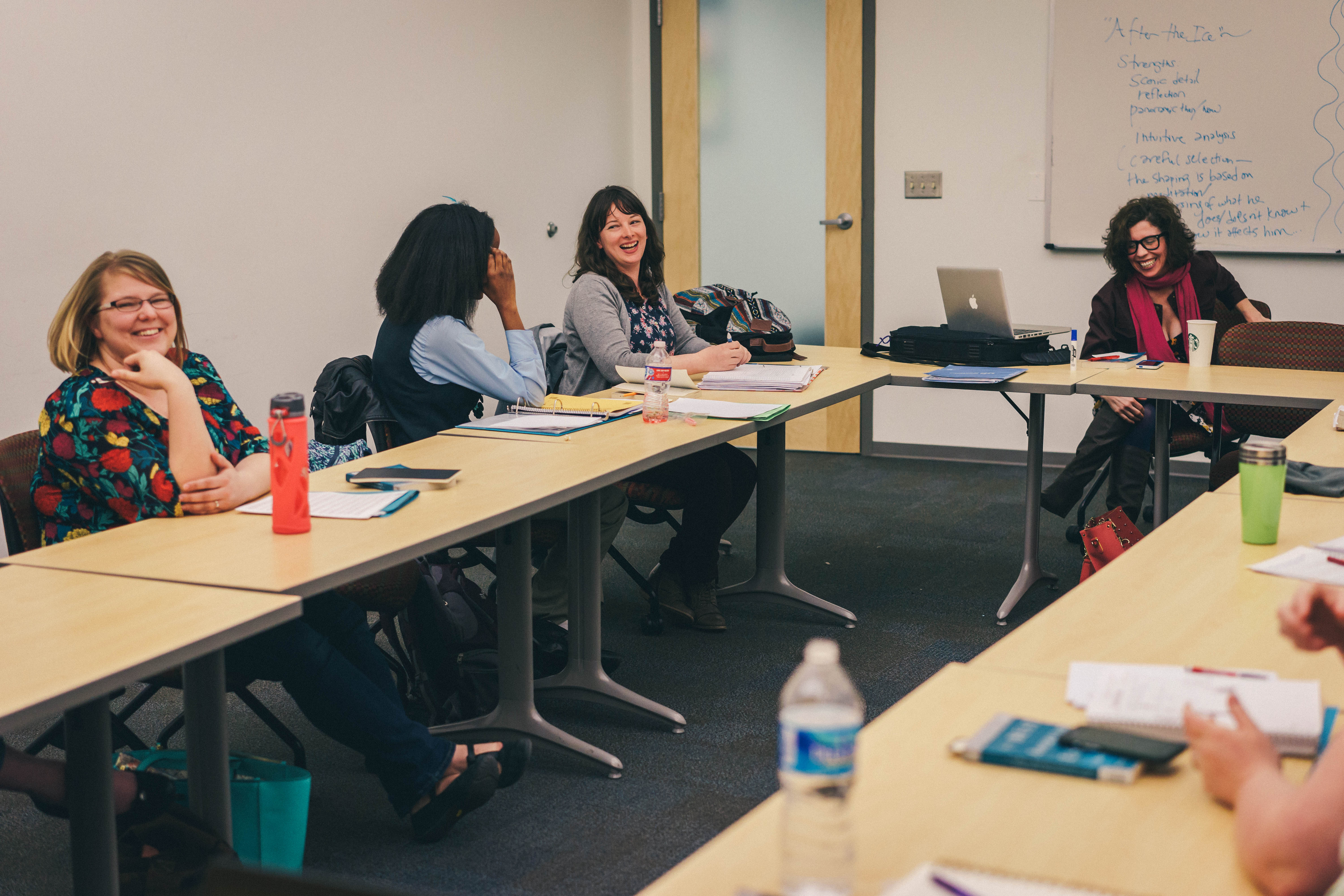
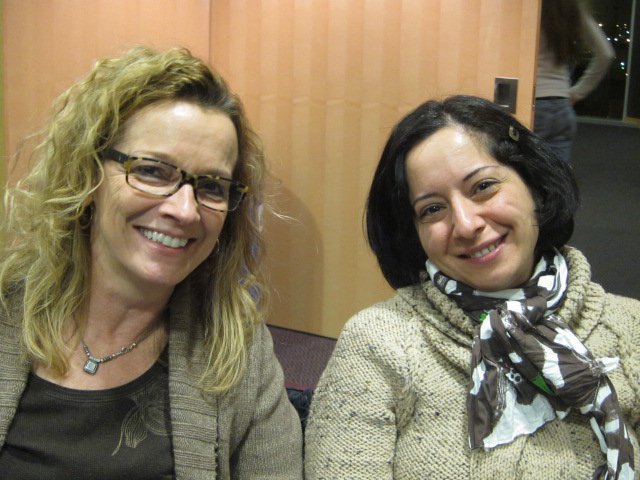
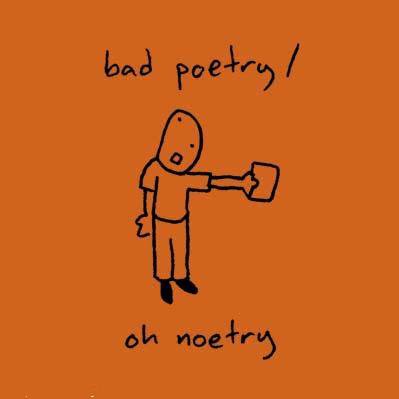
Steve and Kendra reminisce about the MFA’s conception. “We used to meet across the street and have coffee,” Steve says. “And we’d look out that window while we discussed what we would like to include in an MFA program.”
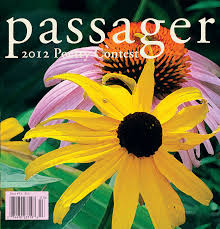
“We knew we wanted to include book arts right away,” says Kendra. “Thanks to Passager, we already understood what all goes into the book creation and publishing process.”
Passager is a national literary journal Kendra co-founded over twenty-two years ago. The inspiration for the journal came from a writing class she taught at the Waxter Center for Senior Citizens. Now sold in major bookstores across the U.S., Passager‘s focus, to this day, is to celebrate the creativity of older generations.
It’s odd to imagine Steve and Kendra back in the day dreaming up their ideal MFA program. I think this is chiefly because it feels strange to think of it as still being so young. But it’s only been around for a decade. In grad-school-program years, it’s a baby.
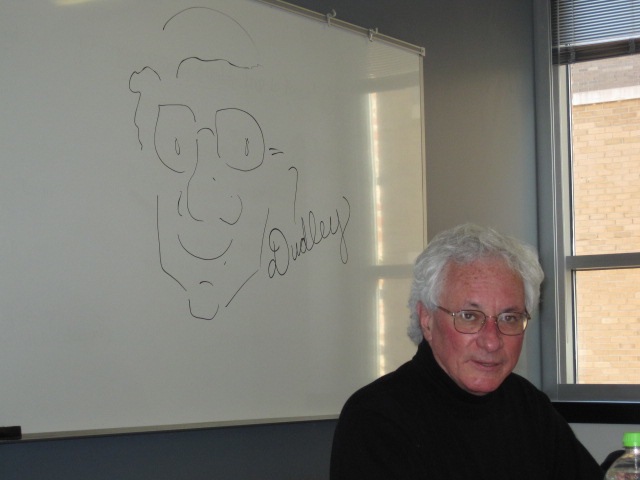
But in spite of its youth, the program has attracted the likes of some very well-respected and celebrated visiting writers, including internationally-renown poet Valzhyna Mort, national-bestselling author Jessica Anya Blau, and the late, great southern journalist and author Dudley Clendinen.
Steve and Kendra stop talking and look at me. I look at my laptop.
“Anything else you want to add?” I ask.
Steve shrugs. Kendra says, “I can’t think of anything else. And I’m sure you’ll fill in what’s missing.”
I reach over and stop the recording. “You know,” Steve says, “we never did sound-check that. Or test to see if it was actually recording.”
“Oh, good,” Kendra says, laughing. “That’ll make the article even better.”