All photos by David London
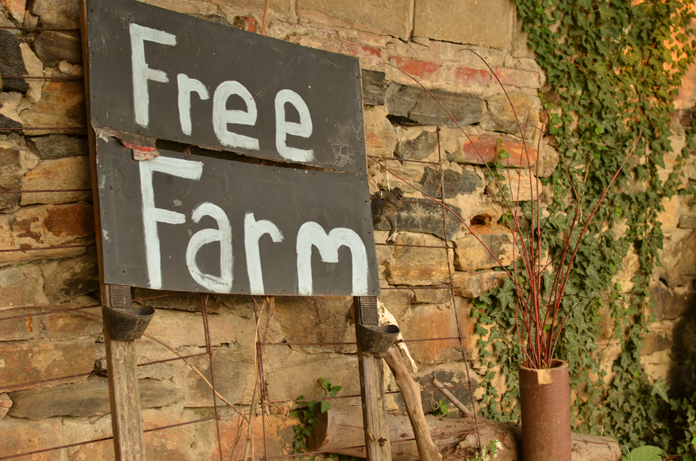
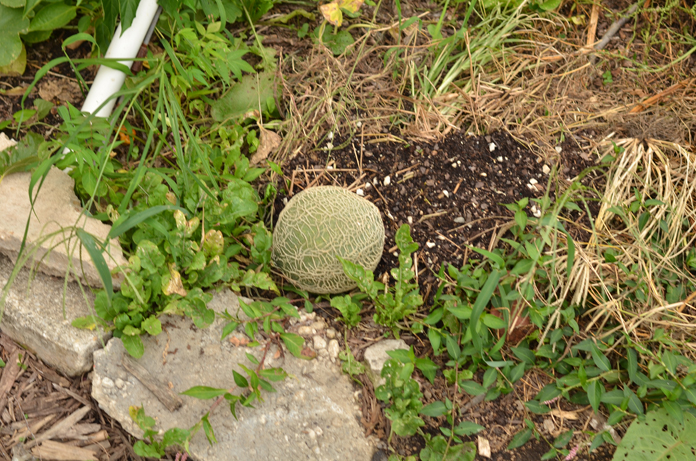
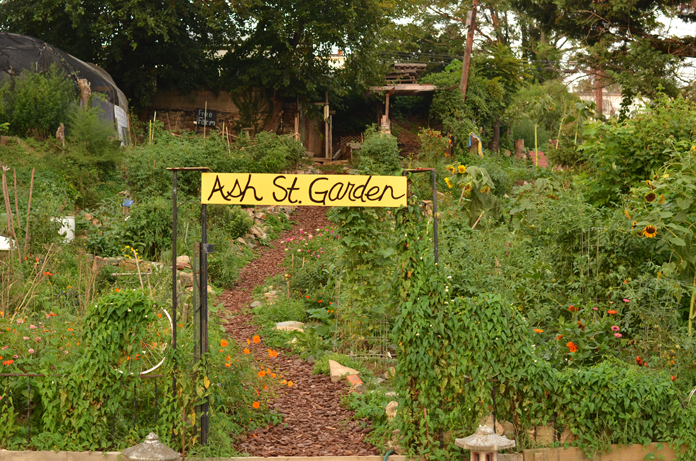
Nestled just blocks from The Avenue in Hanpden is a leafy utopia known as the Baltimore Free Farm. Until recently, the vacant lot on the 3500 block Ash Street was festering with waste—bottles, plastic bags, dirty needles. Now it’s home to a volunteer-based center of urban agriculture.
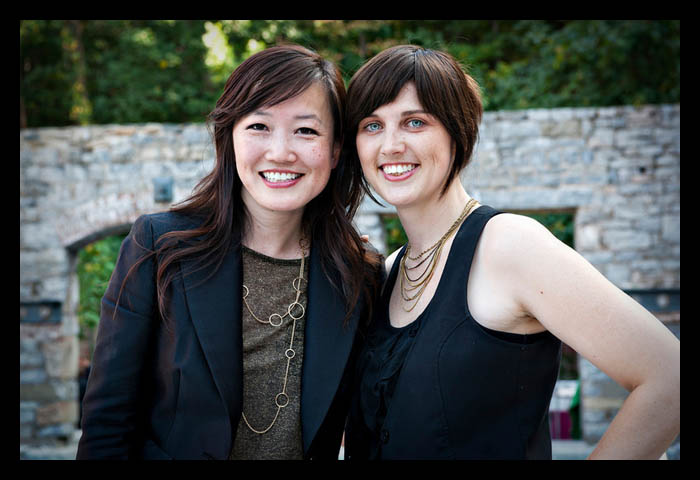
The farm was birthed by a group of friends in January 2010. “Some of us had just been laid off from our respective jobs, many in construction, during the time of the housing crisis” said Kenny Vetra, a free farmer. “We had time to use.” The group acquired the lot through the Adopt-A-Lots program, and devoted themselves to cleaning it up.
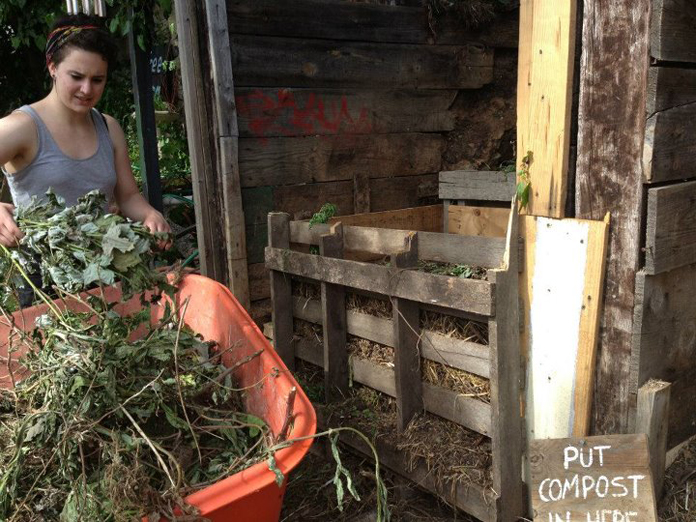
Image courtesy Baltimore Free Farm
“There were a lot of naysayers at first,” said Vetra. Don Barton, another member of the group who also lives at the farm, spoke to this idea. “Some neighbors freaked out at first, because here were all these crazy punks moving into their area. But I think it definitely caught on pretty quickly.”
A challenge faced the group almost immediately: the storm some remember as “Snowmageddon” and “Snowpocalypse” hit Baltimore. Persistence, though, allowed the efforts to continue. The city provided a dumpster, and soon, the group was ready to begin terracing the land. The farm was beginning to seem like a tangible possibility.

Since those days, the farm hasn’t stopped garnering support and expanding its efforts. Today, it hosts three separate projects. The first, the Ash Street Community Garden, functions as a pretty traditional allotment urban garden. Plots are “basically free,” said Barton, “but people donate when they can.” The farm’s greenhouse provides the seeds, the plot owners provide the labor, and delicious things grow.
About half of the 25-odd plot owners live and work on the farm. The others are residents of the greater Baltimore area. “There are other community gardens in Baltimore,” Barton said, “but a lot of them are full. Each season we’ve gotten tons of requests.”
Across the street from this plot are the Baldwin garden and the top lot. Barton called these their “urban farming experiment,” and explained that it provides free food for the community and for those involved in the project.
A third lot at 3600 Ash Street is filled with fruit trees. Here, members of the community and other visitors are encouraged to glean—that is, grab and eat what’s grown. “We’re not really about selling food here,” Barton stated simply. Food crisis be damned.
Earier this year, the Baltimore Free Farm was deemed “Best Community Vegetable Garden” by the Baltimore City Master Gardeners of the University of Maryland Extension, who saw the endless ways in which the farm benefits the greater Baltimore area.
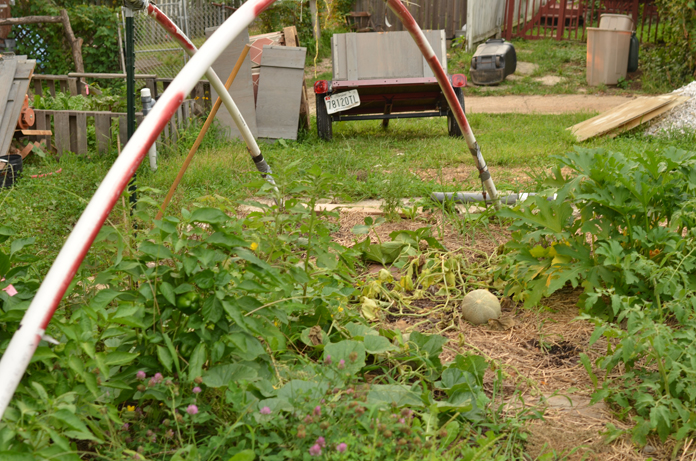
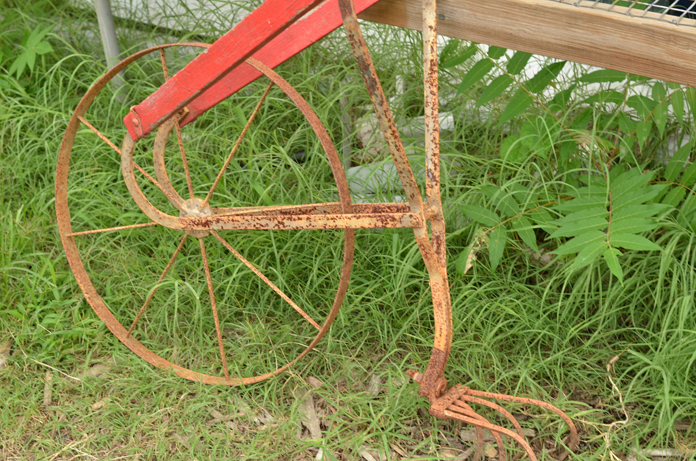
Allison Sheldon, a student at the University of Baltimore, has been volunteering at the Free Farm for over a year. “I really appreciate how pretty much everything that’s done is done by hand,” she said, “and often without a lot of tools or equipment. In the age of computers, it’s easy to forget what your body is capable of.”
The farm came to her attention when she was considering travelling to join the World Wide Opportunities on Organic Farms movement, or WWOOFing. “I don’t discourage that at all. It’s a brilliant idea,” she said, “but at the same time, it was kind of cool to do something to help out that was right around me.”
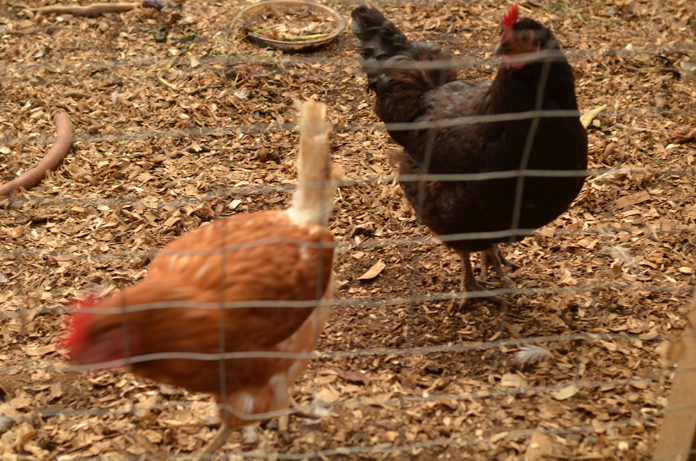
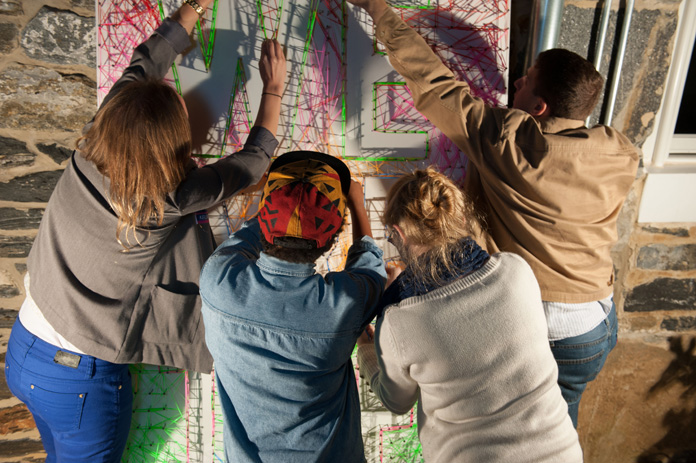
It’s these local efforts on which the farm depends. Saturdays are deemed volunteer days, but the community is constantly buzzing with people willing to contribute however they can. No one’s in charge of the farm—the power is completely horizontal. No one gets paid. Everyone gets to eat. The system is self-contained and largely self-sustaining.
The next level of sustainability, however, is always sought. With a successful Kickstarter Campaign last year that allowed for upgraded equipment and expansion of several projects under their belt, the Free Farm decided to take another stab at crowd sourcing. They recently launched an Indiegogo Campaign to fund a number of exciting tasks. Among these is a rainwater collection system. An intern, Ian Osborne, who studies at Hopkins, explained how the water can be used in the greenhouse, which provides seedlings. “The farm got a grant through Parks and People for solar storage…and [the energy is stored] and used to pump water,” he explained, “but we’re trying to use rainwater that would otherwise just run off.”
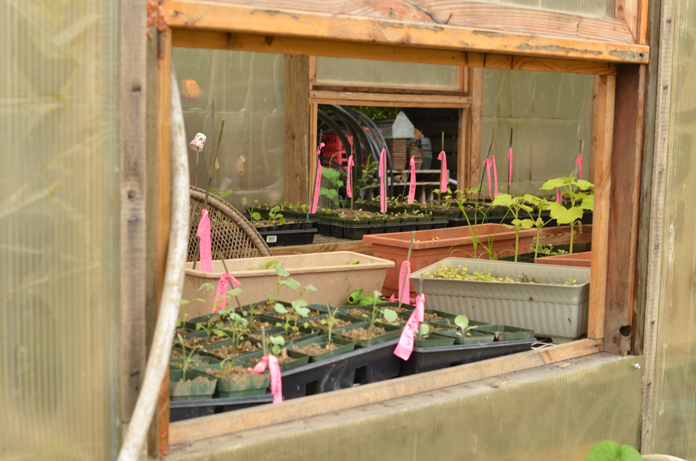
Part of the Baltimore Free Farm’s mission is also to provide “entertainment, educational opportunities, and ethically produced food to local residents,” in order to “instill a sense of pride in one’s community and its ability to sustain itself.” Though agriculture is at its basis, the farm’s community does far more than grow crops and give them away. “Thursdays are Canning Club days!” said Barton, explaining how he hosts workshops so the community can learn to preserve leftovers. Osborne explained how both contributions from a “Food Not Bombs type distributor in Jessup, which aren’t overripe but too ripe to keep,” and the farms own produce are jarred to prevent wastage. To continue these efforts, they need mason jar lids and maybe a new pressure cooker: two items that will grace their next shopping list should the fundraising campaign be a success.
The Free Farm also occasionally hosts to both touring and local bands. Show attendees donate on a sliding scale. They’ve also hosted block parties, workshops, and other events to build community and spread methods of sustainability. The funds, of course, go right back into the farm—a community which is always growing and striving to better itself. From the shift to 100% organic seeds to promote sustainability (GMO seeds often only yield one harvest and don’t reproduce, and as Barton said, “you can’t just get seeds for free”) to expansion of composting sites, the many involved aren’t ones to settle.
“That’s one of the coolest things,” said Sheldon. “Every time you come back, there’s something new. I was away for the winter and when I came back to volunteer, there was a whole new plot I’d never seen before.”
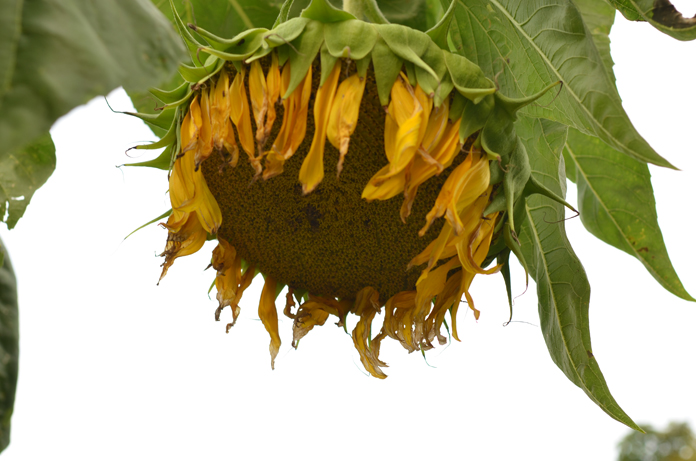
Much of Baltimore is wrought with poverty and joblessness and hunger, but its also filled with pockets of people who realize that to make a difference, we’re going to have to take these matters into our own hands. Social hardship can either tear a community apart or allow it to rally together. The Free Farm exists to promote the latter. Besides, everyone loves free food.
If you would like to support The Baltimore Free Farm in their future endeavors, please take a moment to donate to their Indiegogo project (see video below). Funding will benefit rainwater collection, solar energy, food mushroom cultivation, and much more–all of which is detailed on the fundraiser’s page. By completing these projects,the Free Farm will expand its capacity to grow, learn, and share knowledge with communities in Baltimore.
https://www.youtube.com/watch?v=jttiyFEroX4
Click here to Donate to the Baltimore Free Farm
Click here to visit the Baltimore Free Farm Website