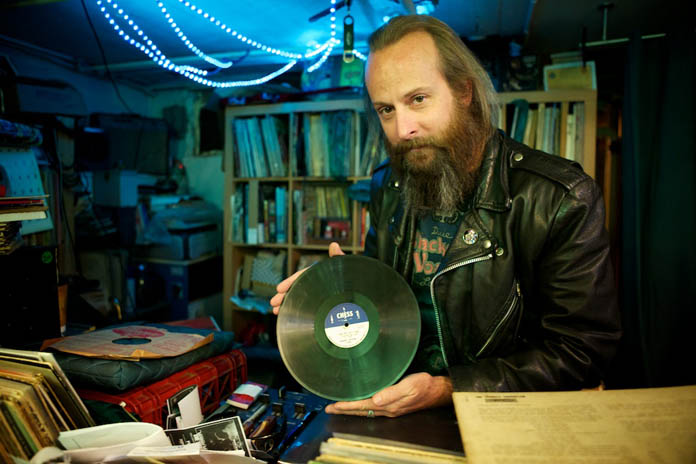
On June 10 Blue Note released Brownie Speaks: The Complete Blue Note Recordings. This anthology compiles all the recordings released by the influential jazz trumpeter Clifford Brown during his 4-year stint with the famed record label in the 1950s. This release came just a few days after the Blue Note celebrated its 75th anniversary.
You probably won’t be hearing these tracks on the radio, and you certainly won’t be able to see Brown (aka Brownie) playing the festival circuit this summer. It’s not like Brown’s hard bop jazz approach is all the rage in 2014. It is a sad truth, but if you don’t make a point to hear this music, you probably won’t hear it. When you consider all the sweet albums set for released this summer, it is pretty easy to overlook these 60-year-old recordings, but that doesn’t mean you shouldn’t check them out.
To my knowledge this is the only existing video of Clifford Brown (enjoy the poor audio and grainy picture, not the mention the awkward interview at the end):
This Blue Note anthology is a must-have for longtime jazz-listeners and people looking to dip their toes into this rich, distinctly American music tradition. It comes from the Golden Era of Bop, a time when jazz musicians were pioneers discovering new levels of improvisation and sound. New technology and recording techniques allowed for records to be produced with unprecedented clarity. Brown was one of these revolutionary figures, playing his trumpet with ferocity and creativity that was unparalleled in the ‘50s. He had already made a name for himself as a jazz titan by the time he was 22 when he began working with Blue Note. He was the kind of musician to show up at least an hour early to gigs or recording sessions to warm up. Everyone on the scene knew the name Clifford Brown; he set the bar high with his dazzling virtuosity and brilliant inventiveness.
Brownie Speaks is three discs of pure hard bop. It comes with a 34-page booklet containing an essay, photos, and the original album artwork. The release compiles the 1953 albums Jay Jay Johnson with Clifford Brown and New Star on the Horizon, 1956’s New Faces New Sounds with Lou Donaldson, and the live recording from 1954: A Night at Birdland with the Art Blakey Quintet. As if these albums weren’t enough, Blue Note also threw in alternate takes and bonus tracks out the wazoo. The other players on these tracks, most of them legends in their own right, help make this anthology a true collectible (trombonist J. J. Johnson, saxophonist Lou Donaldson, the gospel-steeped pianist Horace Silver and the superhuman drummer Art Blakey). Despite all these great performances, when Brown starts to blow he manages to steal the spotlight time after time.

Drummer Art Blakey, bandleader for the Birdland performance.
This album contains some essential material from some definitive artists, but the Birdland tracks are the highlight of Brownie Speaks. In the fiery opening track “Wee-Dot” you can hear Brown play at break-neck speeds with seemingly little difficulty, articulating every note as he goes. The heartfelt tune “Once in Awhile” showcases Brown as he demonstrates his ability to accompany a slow ballad with a superior command of harmony and dynamics, bear his soul for all to hear. After hearing the quintet’s relentless rendition of the Dizzy Gillespie standard “A Night in Tunisia,” it is shocking to learn that soon after this gig the group disbanded due to a lack of bookings. Art Blakey went on to form the Jazz Messengers, and Brown eventually teamed up with drummer Max Roach to produce some of his best work.
Here are some of the A Night at Birdland tracks that are on Brownie Speaks:
Aside from Brown’s profound dexterity and understanding of jazz, what set him apart from many of his contemporaries was his drug-free lifestyle. Heroin was prevalent in the jazz world at this time as people followed in the footsteps of one of the creators of Bebop, Charlie Parker. While many artists at some point fell victim to the foul temptress, Brown was different; he didn’t do drugs and was apparently not fond of alcohol. All the same, he could swing harder and play better than anyone else, proving that jazz and drugs do not necessarily go hand-in-hand. Legendary saxophonist Sonny Rollins once said, “Clifford was a profound influence on my personal life,” and that, “he showed me that it was possible to live a good, clean life and still be a good jazz musician.”
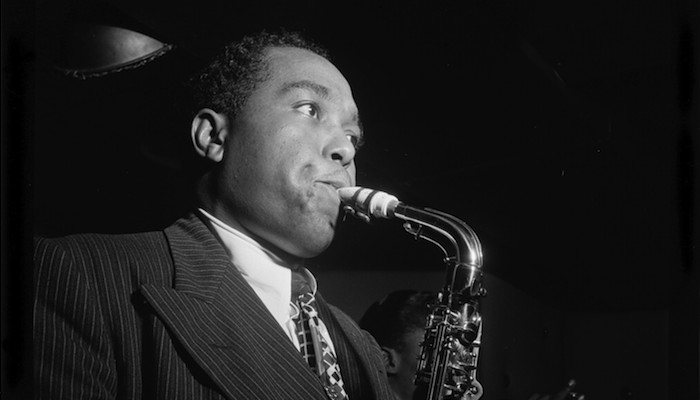
A portrait of Charlie Parker, 1947.
Tragically, Brown’s life was cut short at the age of 25. After an informal show in Philadelphia, Brown and his pianist Richie Powell were bound for Chicago to play the next gig. It was a dark and rainy night (cliché, I know, but true all the same), and Powell’s wife, Nancy, was at the wheel to give the musicians time to rest for their performance. In the early hours of June 26, 1956, she lost control of the vehicle and went over an embankment on the Pennsylvania Turnpike. All three of the riders were killed by the crash. By this time, Brown had already ensured his place in history as a trumpet legend.
The death of Brown left the jazz world heartbroken. Considering how skilled and respected Brown was by the age of 25, there is no telling how far he could have gone. Fortunately he managed to find his voice before leaving this world and make some beautiful recordings that Blue Note is releasing so future generations can indulge in his art. Brown’s legacy is being preserved in the annual DuPont Clifford Brown Jazz Festival, taking place June 18-24 this year. It is held in his hometown of Wilmington, Delaware and is the largest outdoor, free, multi-day music festival on the East Coast.
I’ll leave you with a recording of the song “I’ll Remember Clifford,” written by Benny Golson, who can be seen playing saxophone in the video with Art Blakey’s Jazz Messengers, as a tribute to Brown. The track has since become a standard, recorded and performed by countless artists to pay homage to one of the greatest trumpeters to ever blow. He may be gone, but as long as we still have his music, he will never be forgotten.
Go here for more album reviews and music-related stories from What Weekly.