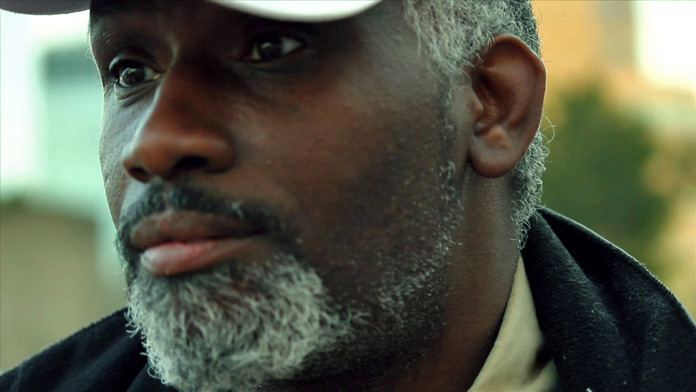
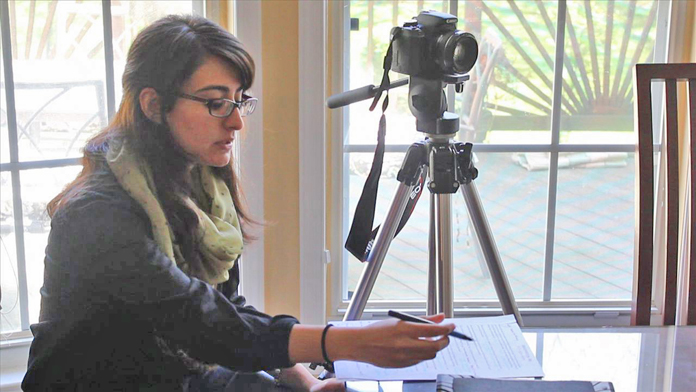
We like free stuff, right? Filmmakers Mawish Raza and Shannon Palmer are pulling all-nighters to finish a cut of their movie Baltimore We Love You, so that we can check it out (Johns Hopkins U., Mudd Hall, Thursday April 26th at 7:30 pm). But… there are better reasons to see BWLY besides free admission.
Reason 1. Mawish and Shannon pretty much rock. Both are seniors at UMBC. Mawish is a student area coordinator for Amnesty International and student group leader for The Roosevelt Institute, and Shannon is a film/video major and intern with Johns Hopkins Digital Media Group. They share Producer/ Director hats on this film, and BTW they are graduating and have full course loads (including my Writing for Media Arts class), so sleep is not an option.

Reason 2. BWLY is more than just a film. It’s a broader social media project sponsored by Amnesty International and The Roosevelt Institute Think 2040 project. The BWLY project uses film and social media to promote awareness of human trafficking, homelessness, immigration/refugee, and other human rights challenges in Baltimore, right now.
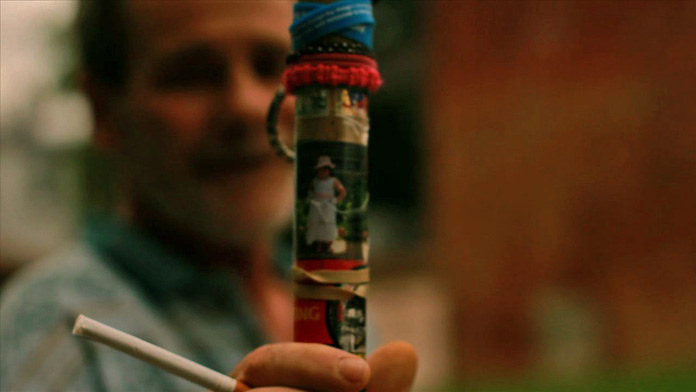
Reason 3. This cool project deserves eyeballs! Mawish and Shannon have been collecting stories on film for the last two years. The screening on 4/26 at JHU will run about 45 minutes, and is meant to build support for the feature length doc that is their filmmaking goal. “This event is as much about organizing as it is about raising awareness, and is part of a broader project aimed at transforming Baltimore into a model of human rights.” (And why shouldn’t we aspire to that?)
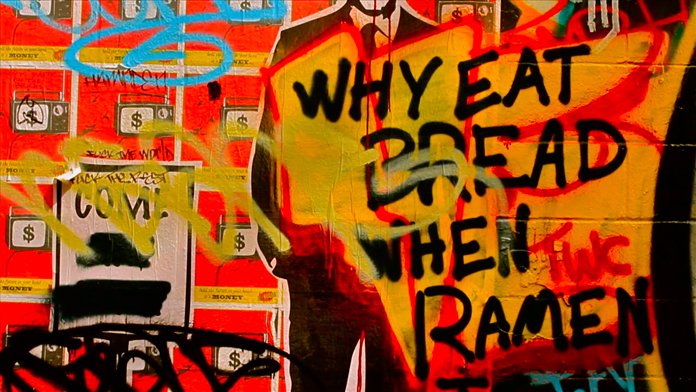
Reason 4. Because we love Baltimore, and we know that in any committed long-term relationship, you gotta do date night. After the screening we talk about “us.”
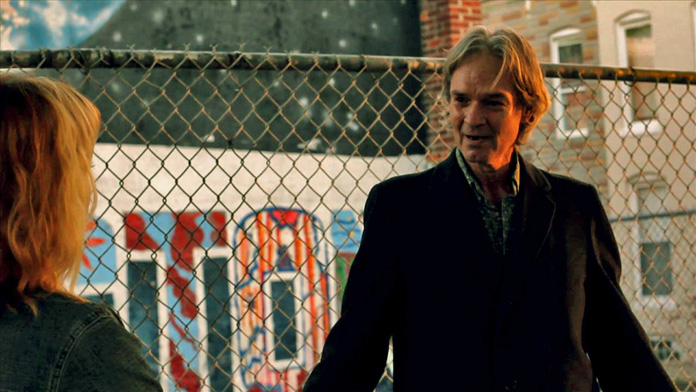
While checking out real-life stories on the BWLY blog I was struck by a sense of the epic in the struggle for decency and justice. Everything from homeless shelters and the minimum wage, to the Occupy movement and the harsher aspects of Capitalism, has precedence going deep into Baltimore (and American) history. I was making these connections because of a book that David Troy turned me on to: Scraping By: Wage Labor, Slavery, and Survival in Early Baltimore, by Seth Rockman (JHU Press). Reading this book is like walking down the street in 1830’s Baltimore. What’s scary about it is how the basic social dynamics between the haves and have-nots seem to have changed little over the last couple hundred, (or thousand) years. The Millennials have their work cut out for them for sure, and that is Reason 5 to participate in this screening and discussion.