Photos and story by Philip Laubner
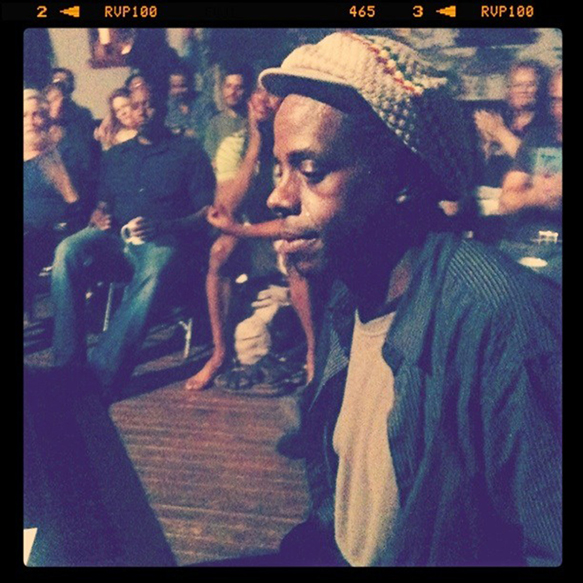
When in the presence of good jazz I lose the ability to sit still, my limbs dance as if independently, and I often smile in disbelief at the musical conversations. Basically, I appear insane to anyone other than a fellow fan. On Sunday night I was asked to cover Lafayette Gilchrist’s band Inside Out at 2640. The ferocity of the band’s rhythmic attack induced a similar state of insanity in members of the audience. A man with dreads stood in the back near a window playing air drums and flailing his arms as if he was translating elemental jazz to the sky. Another older man sat smiling in disbelief and rocked to the syncopation. He seemed gratefully possessed.
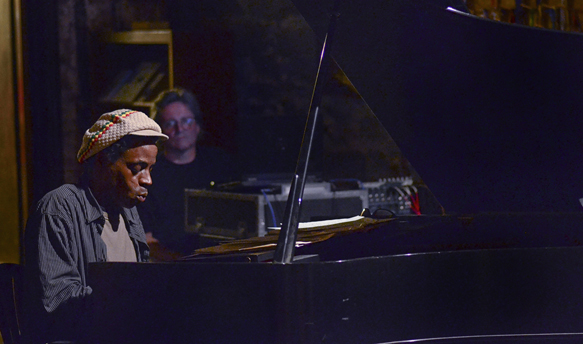
2640 is a non-commercial, cooperatively managed space for radical politics and grassroots culture. The converted church has two halls. One in the open body of the church for large concerts, and the other, a Chapel. On Sunday night we were in the more intimate, and in my opinion, acoustically superior chapel. It was a hot night, but not too hot. The scene, reverential. The music was intellectual, but still direct and primal. “We live in a close society, there are more ways to interact than ever before. That means there’s more ways to be misunderstood, so it’s better to be direct,” – Lafayette Gilchrist.
Inside Out is comprised of Gilchrist, bass player Michael Formanek, who’s played extensively with Freddie Hubbard and Joe Henderson, and drummer Eric Kennedy who’s played with the Eubie Blake Sextet. Both are excellent composers in their own right. “We all understand traditional and contemporary music in a deeper way, and so our reading of it is rhythmically more, in my view, exciting than something that’s straight ahead or expected. It’s more oriented to conversation,” said Lafayette. And it’s true, watching the trio play, you get the sense that, although it’s Lafayette’s music, the term “sideman” does not apply. “I don’t like the word trio as much as I prefer the term Ahmad Jamal uses, ‘small ensemble.’ It’s not a traditional trio in the sense of bass and drum accompaniment. It’s really bass, drum and piano interacting. We talk to each other in real time and not put forth a formula. We wanted to get beyond that,” explained Gilchrist.
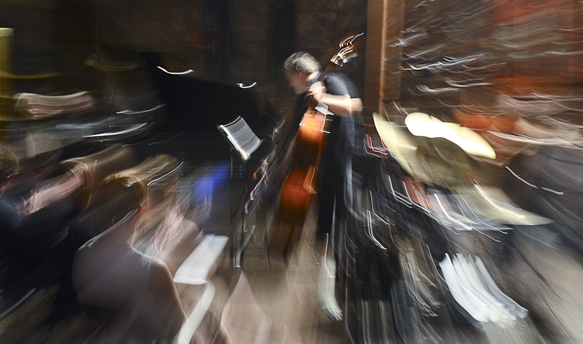
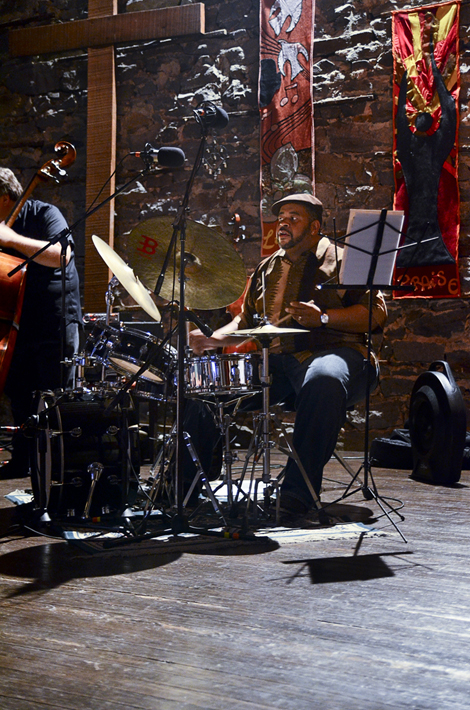
The progressive nature and syncopation of the rhythm section in Inside Out reminds me of Miles Davis’s seminal early sixties band with Ron Carter and Tony Williams. Lafayette cautiously agreed that it’s hard not to be influenced by that band or era. “It’s important to write, otherwise you end up sounding like that period.” But he also added another insight, “The primary rhythm section conception I’m coming from is Andrew Hill, his classic recordings for Blue Note. There was an album he did later on called “Strange Serenade” where he had drummer Freddy Waits and bass player Allen Silver. That trio played so free, open and clear, so personal. In the end I think you need to do something personal to hold people, especially now.”
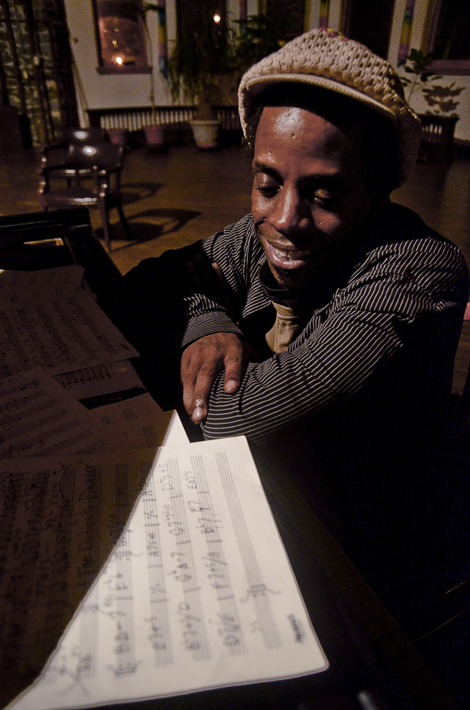
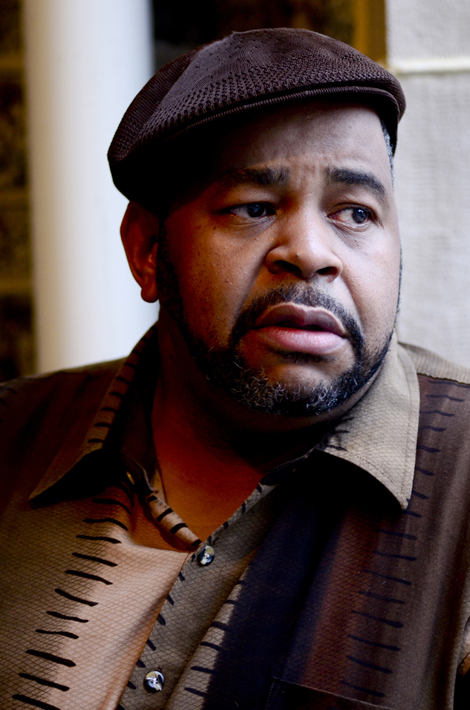
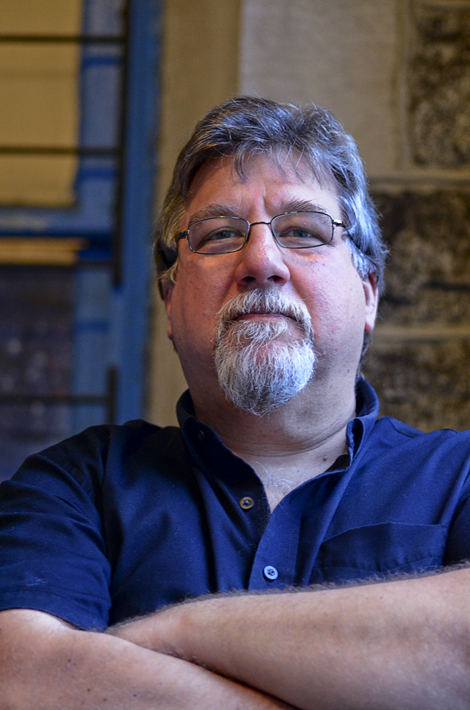
Lafeyette and manager Bernard Lyons choose the chapel of 2640 for the Baldwin Grand Piano and for the vibe. The entire performance was professionally recorded and will eventually be released as an album. Lafayette was anxious to record the band as soon as possible. He felt that they were ready to be documented and he knew that it would be too hot to record later in the summer.
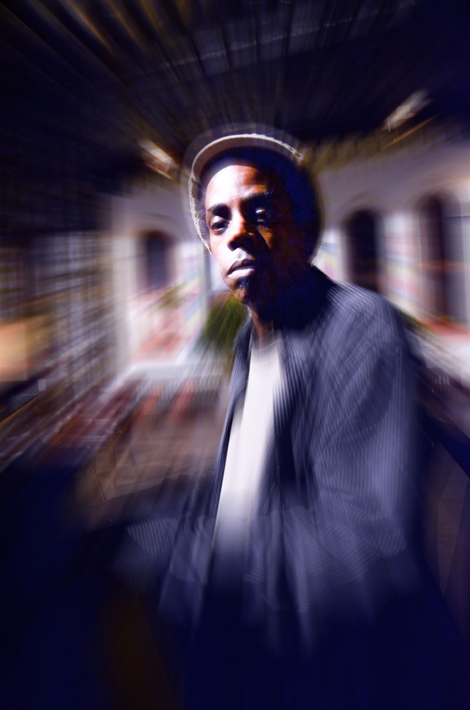
“With music there’s no bullshit, just come on and speak the truth to people and that’s it, then you’ve done your job as a musician,” – Lafayette Gilchrist.
Photos and story by Philip Laubner