It’s easy to be cynical about slogan-y, if well intentioned, efforts to effect change in challenged communities. And when city planners are promoting vague and lofty goals like “sustainability” it’s even easier. I was determined, though, not to let my own cynical tendencies shade my view of Baltimore’s Office of Sustainability Town Hall, which kicked off the City’s sustainability plan last Tuesday.
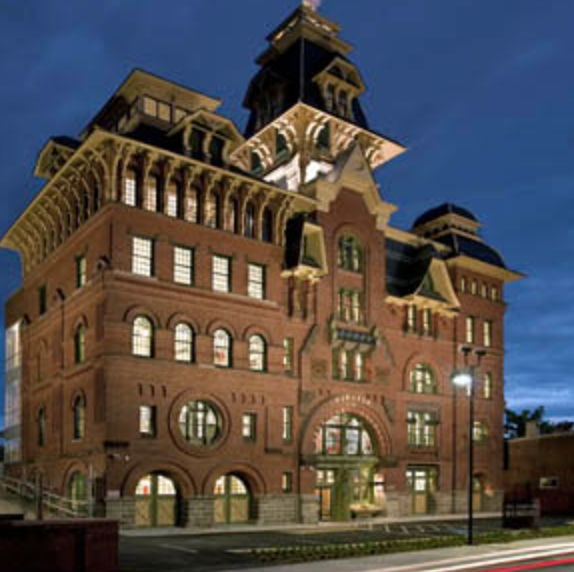
But still, as I headed east on North Avenue, toward Humanim’s refurbished American Brewery building, I felt my veins flooding with a healthy dose of skepticism (fortified by the knowledge that there would be vegan food served and no booze at this event).
The theme of the event was “Every Story Counts”; the aim was to offer “platforms for engagement” to city residents, allowing them to tell their own “sustainability stories”.
Even though I wasn’t initially clear on what a “sustainability story” is, and in spite of the fact that I would pay a surprisingly large amount to never hear the term “platforms for engagement” for the rest of my life (and also despite the fact that adults were being offered the chance to take “Shellfies” with the city’s sustainability mascot, Turtle), I have to confess to a softening of my heart as I took in the thoughtfulness and even humility with which the event was put together.
As we entered the building, we filled out a sign-in sheet that included a box to indicate your race. Neighborhood elementary school kids filed into a room filled with educational activities. And indeed before long people were lined up to share sustainability stories, which organizers had explained were simply about the everyday actions of Baltimore’s citizens – from community clean-ups to providing summer activities for neighborhood kids.
The second floor was packed with tables representing a wide spectrum of organizations and programs educating attendees on everything from family planning, health and hygiene to community reinvestment and Public Works.
In contrast to a typical exhibition-style event, each table had really valuable information and giveaways on offer, including energy saving tips from organizations like Retrofit Baltimore, information from Cleanwater Baltimore on reducing your water bill through stormwater participation credits, and resources for community greening from the Parks & People Foundation. There were handouts for kids from the CDC on preventing the spread of germs and information for investors on the Vacants to Value program.
Speakers from the Office of Sustainability were extremely brief, since, as they explained, the goal was not to talk at residents but to hear from them (there were booths set up for attendees to submit their own stories). And they discussed a renewed focus on race, equity, and inclusion in the development of a sustainability plan.
In a city where aging infrastructure, racial disparity environmental hazards, and economic disempowerment are all rampant problems, this approach strikes me at the very least as a smart confrontation of the reality.
Beyond a broad discussion of environmental sustainability and climate, the Office of Sustainability demonstrated a clear-eyed focus on immediate concerns about jobs, clean air in homes and schools, and lower energy bills. Baltimore’s Climate and Resilience Planner, Kristin Baja, explained afterward that this is really the first time there will be so many channels used to allow residents to voice their concerns or suggestions. “If people are too shy to speak up,” she said, “they’ll be able to vote or share stories anonymously or online. Anyone from each district will be able to sign up as an ambassador, and they’ll be given access to free training and tool kits to take back into their community.”
In addition to the stories collected at the Town Hall, The Office of Sustainability plans to let residents voice their issues and needs through their Facebook page and on their website. (Anyone interested in becoming a district ambassador can contact Ms. Baja at Kristin.Baja@BaltimoreCity.gov.)
My inner cynic still not entirely deterred, however, I sat down outside to eat a surprisingly good eggplant sandwich and started talking with some representatives of West Baltimore-Sandtown-Winchester, West Lafayette and Harlem Park. I put the question to them thus: A year after Freddie Gray’s death and the Uprising that sprung from such intense frustration, are initiatives like this really enough of a response to the needs of our disadvantaged communities?
The response seemed to be unanimous—it’s a start. As Lela Campbell, a representative of Harlem Park and President of A Step Forward Inc. told me, “This is a beginning. I don’t think they’ve gotten to the point where they’re fully responsive to our needs, but as I walk through here, I get the sense that they’re listening. I see a path forward. The commission did a good job with this.”
Ms. Campbell noted that a 2011 report from the City Health Department had essentially declared Sandtown-Winchester and Harlem Park communities in a state of perpetual economic and health emergency. But she said she’s encouraged by other first-of-their-kind initiatives, like the April 23rd Harlem Park exploration day that included a tour from Harlem Park Square to Lafayette Square, and allowed residents to participate in activities and health screenings.
While initiatives like this may often sound lofty or jargon heavy, there’s no denying that something seems new in this approach. There is an earnestness and humility that motivates our central planners to decentralize the process, and to bring community voices in letting them drive, not only something as vague as the “conversation” but the actual development of Baltimore’s sustainability planning.
And the explicit acknowledgement that race and inequality are dominant factors in environmental health, along with the willingness to focus on those most immediately impacted, are encouraging signs that we are more likely to confront the city’s issues head on.
It is, at the very least, a good start.