The sun is low in the sky, casting a golden glow onto the world beneath. Jordan August and Phil Chorney, however, take little notice. Their attention is confined to Phil’s porch. Here they have everything they need: Jordan with his acoustic guitar and Phil with a mandolin in hand, and plenty of beer and whiskey to get them through the night. Sweet melodies and chord progressions resonate though their wooden instruments, filling the porch of Phil’s Hampden rowhouse and spilling out onto Keswick Road into the dwindling daylight. As the pair crescendo in unison, plucking out the last few notes of their improvised tune, their friends and a few captivated passers-by sit in awe. Jordan and Phil exchange a laugh as they let the last chord ring out. The brilliant colors of dusk make way for the deep evening blue while the pair trades instruments. They each take a sip of whiskey and hearty gulp of beer to wash it down before diving into another bluegrass jam.
“Jus’ pickin’.”
That’s all it is, Jordan says. However, these “pickin’ parties” are much more than that—they are the continuation of a rich history of bluegrass in Baltimore. If not for Jordan’s sizable ear gauges, their modern attire and the high-tech automobiles driving by, this scene could be pulled straight out of the 1950s, a time when Baltimore dominated the bluegrass scene. Through the 1930s-60s, migrants came from the South and Appalachian Mountains in search of work. Along with them came their families, their traditions and culture, including their music. For white migrants this meant folk and bluegrass music. These people settled in the areas of Hampden, Woodbury and Druid Hill Park, which came to be known as “hillbilly ghettos.”
On the evenings before work they would meet up in bars and basements, having their own “pickin’ parties,” and keeping their culture alive in a city that proved to be nothing like home. By the 1950’s, Baltimore had become a center for bluegrass music. “It was either Nashville or Baltimore,” Jordan says, “which is a wild concept because Baltimore doesn’t seem like that place.” In the decades since that time, it seems that “people forgot about the fact that bluegrass was even here,” Jordan says. A passion for the craft of folk and bluegrass music, along with the desire to remind Baltimore of its forgotten bluegrass history, is what motivated Jordan, a freelance photographer, and Phil, a marketer for Citelighter, to create the Charm City Folk and Bluegrass Festival.
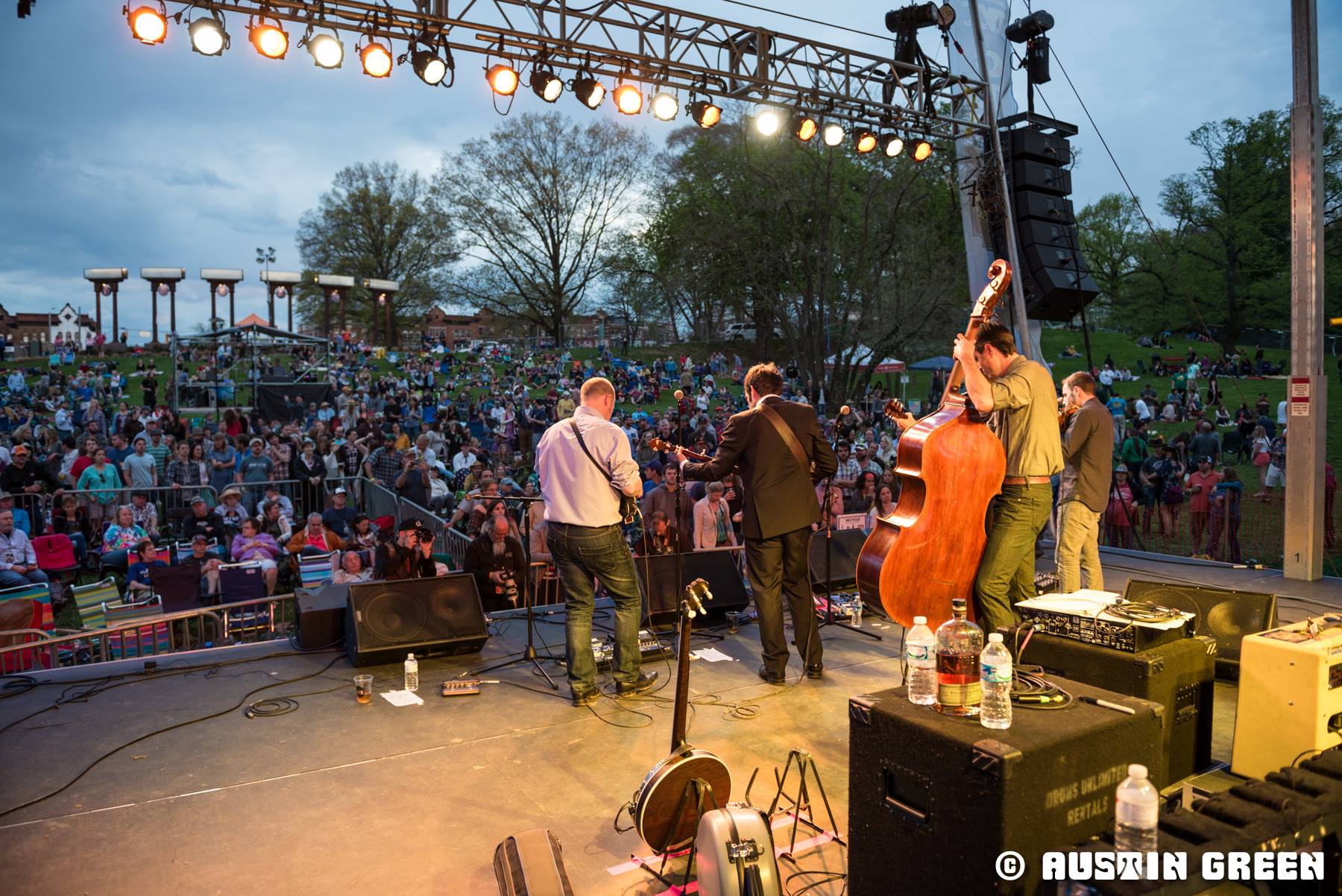
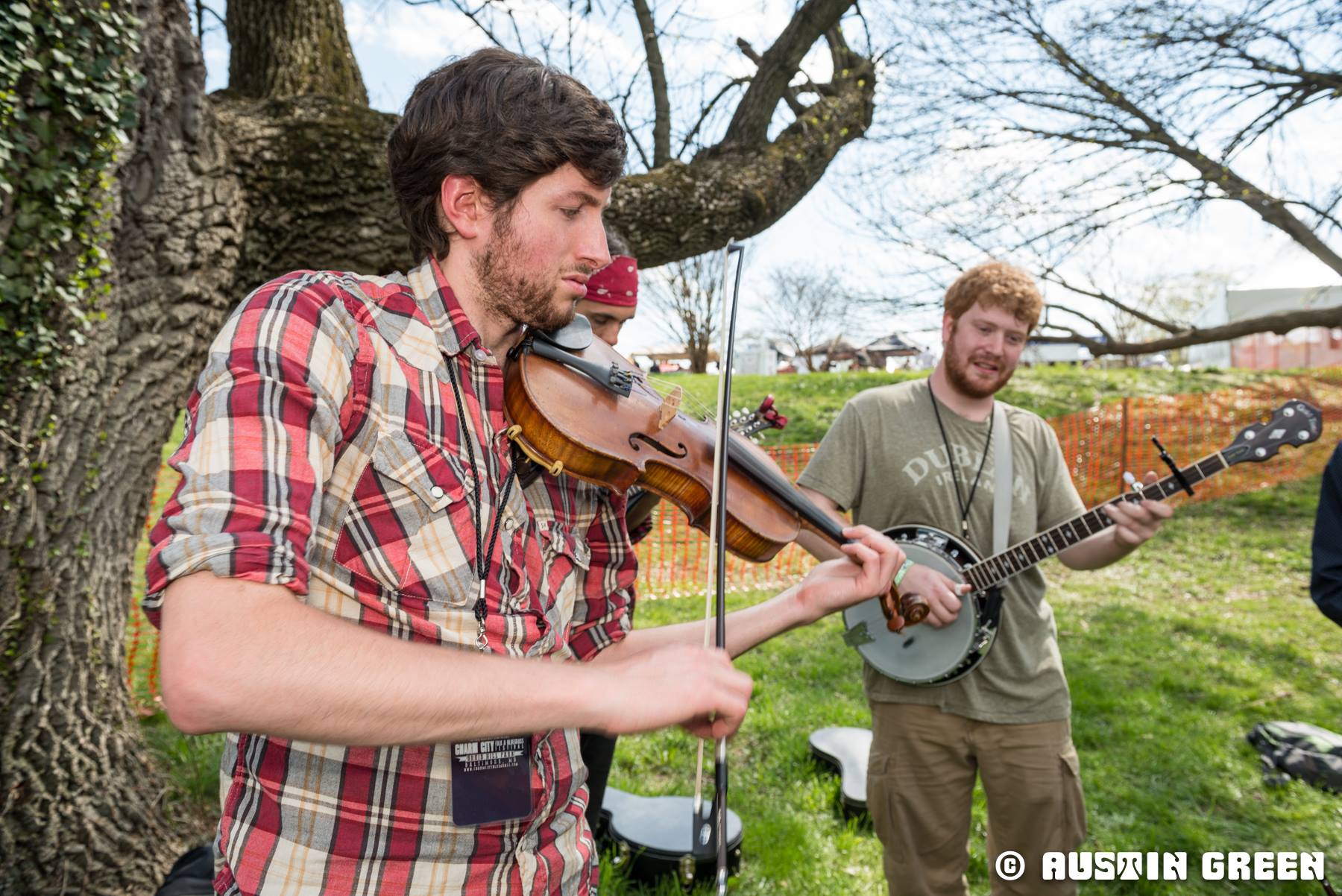
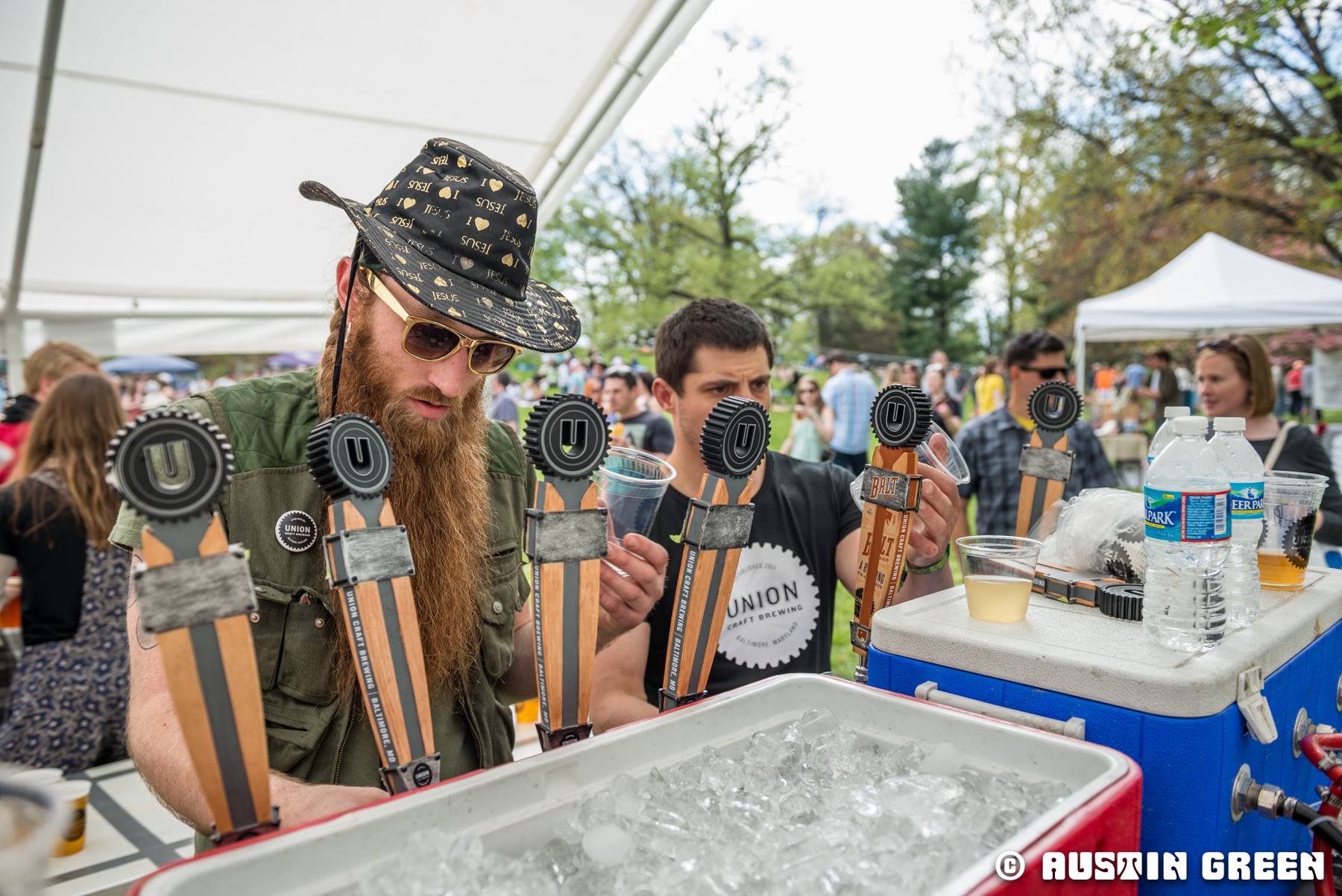
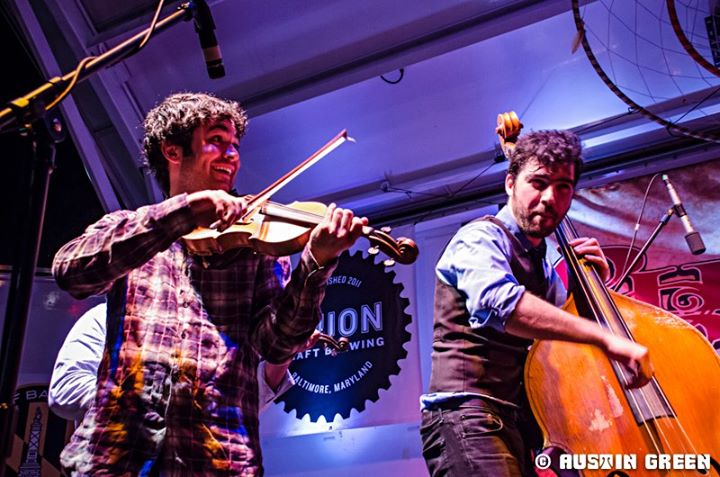
The 3rd annual Charm City Folk and Bluegrass Festival will be returning to its home at Druid Hill Park on Saturday, April 25th. Baltimore’s biggest “pickin’ party” of the year will feature an array of national and local folk and bluegrass acts, including The Travelin’ McCourys, The Wood Brothers, Frank Solivan & Dirty Kitchen, The Seldom Scene, Cris Jacobs, The Bumper Jacksons, Grand Ole’ Ditch, Letitia VanSant, Chester River Runoff, Charm City Junction, The Herd of Main Street and The Manly Deeds. The family-friendly festival will feature many local craft vendors and a special bluegrass-themed beer brewed specifically for the occasion by the festival’s partner, Union Craft Brewing. As if seeing and hearing the music wasn’t enough, attendees are encouraged to bring their own instruments and participate in open jams which happen throughout the day. The goal of the festival, according to Jordan, “is to bring back that awareness of bluegrass that used to exist here in the ‘50s,” simultaneously bringing money to the city, showcasing local talent, revitalizing Druid Hill Park and exposing people to the honest, heartfelt music that Jordan and Phil love so dearly.
“Really, I think folk music is just storytelling… a universal way for anyone to relate to it.” In 2007 Jordan found himself studying photography at the Art Institute of Philadelphia. One night he stumbled into Johnny Brenda’s, a bar known for having national touring acts and punk bands, a bar that “should have been loud and a little rowdy and sloppy,” Jordan says. But on this evening, things were different. A hush encompassed the bar, with all eyes on a couple guys sitting in the corner playing bluegrass.
“It blew my mind that you could shut up a bar,” Jordan says with a laugh.
“I think when people are singing really nice stories it can capture an audience in a way that hip hop or punk rock and rock & roll can’—where it’s loud and everyone can still talk and the show goes on.” The acoustic instruments force the listener to lean in a little closer, and the honest and heart-felt stories pull them away from their small talk and into the musician’s world.
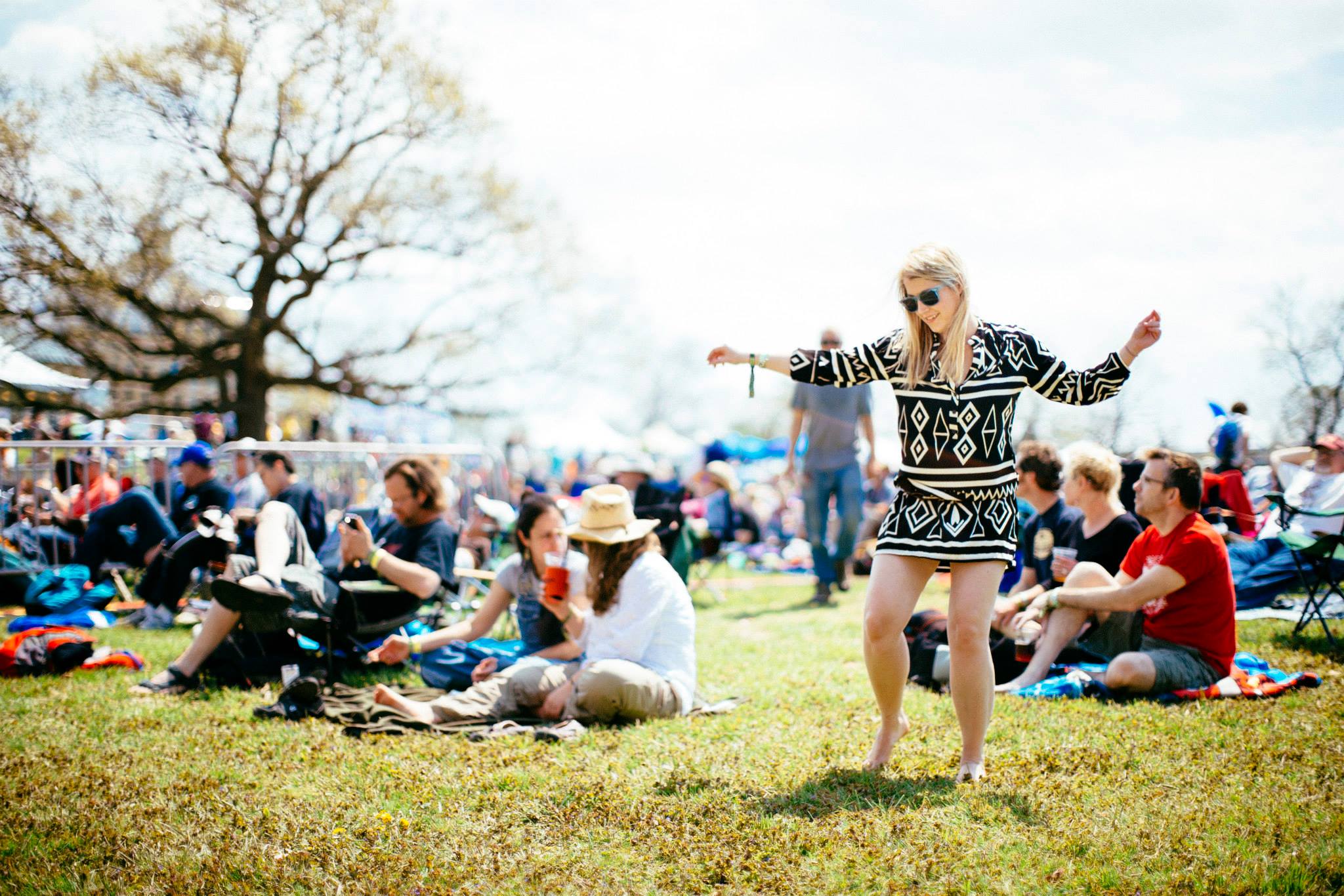
At the festivals home in Druid Hill Park, the music has a similar effect. People leave the concrete walls of the city for expansive open spaces and foliage. The bustling sounds of the city are silenced as attendees are engulfed in the sounds and stories unfolding on stage. Phil and Jordan explain that Druid Hill Park is an ideal location for an event like this despite stigmas against the area perpetrated by shows like The Wire. It has a natural amphitheater, a beautiful conservatory, multiple access points, flat areas for vending and its own unique part in Baltimore history. The Charm City Folk and Bluegrass Festival is an oasis of music that harkens back to simpler days; however, this was no easy accomplishment for the people behind the event.
Phil and Jordan’s “pickin’ parties” on the porch birthed an idea for a bluegrass party, an event to bring together their friends who play music and “just do something cool,” Phil says. From there the idea quickly escalated to a full-fledged festival.
In its first year, the Charm City Folk and Bluegrass Festival was held at Union Craft Brewery in Woodbury. The festival was a success, selling out 1,600 tickets nearly a month in advance. While Jordan and Phil were grateful for the opportunity Union gave them, they realized they had no room to grow and began working with the city to find a new location.
The pair teamed up with Baltimore’s District 7 councilmen Nick Mosby, who selected Druid Hill Park as the new home for the festival. Mosby also helped them navigate the waters of the city government. In order to use the park, the Jordan and Phil have to undergo a process of filling out paperwork and permits, making frequent trips to City Hall, and appeasing various governmental organizations such as Parks and Recreating and the Housing Department. As a for-profit company, the festival has to jump through many hoops to use city property, making substantial donations to the city and other non-profits, including the Believe in Music Program–a K-12 inner city music education program. The festival is only made possible through a collaborative effort between the festival and the city, embracing something that brings something artistically and culturally different to the table. “I think that’s really unique and special, and I hope to continue that partnership as long as I can,” Phil says. In the end, Jordan and Phil explain, it all comes down to money.
“We don’t make money. We’ve never made money off these events, me and Phil pay out of pocket every year to make sure this happens,” Jordan says. The city gets money from the permits, donations, payment to use the park and a security deposit. Paying the bands is another huge expense. After factoring in costs for everything from marketing, to festival workers, the stage, speakers, lights and tents, all the way to porta-pots, the profit margin is non-existent. “Everyone always gets paid no matter what,” Jordan asserts, “even when you know the bank account is about to hit zero, you still make sure they get paid.” Making a festival happen requires a lot of work by a lot of people. Jordan and Phil acknowledge that making a successful festival cannot be done alone and express their gratitude for their team and everyone involved.
“We’re doing this for the people, we’re not doing this for us,” Jordan explains, “we lose money all the time; if we were doing this for us we wouldn’t be doing this.” People—the human aspect behind the music—is what folk and bluegrass is all about. It is about people playing music from the heart, and sharing their pure human emotion with other people. The Charm City Folk and Bluegrass Festival is about reviving this music in a city that used to play a huge role in the scene. It is about the people that brought their culture to Baltimore, and the people that have continued to these traditions into the present day. It is about the people of Baltimore, which is “a working class, blue collar town, with great people, great food, great beer and great music,” Phil says. “So let’s celebrate that.”