A few blocks east of Patterson Park, people are playing with rocks. Rocks with names and faces. Rocks with personality. Rocks that rock.
Pure Bang Games (PBG) is one company in the growing field of video game developers (ZeniMax Media, Big Huge Games, Firaxis Games, Zynga East) that call Baltimore their home. PBG’s specialty is developing “social games,” like their first and most popular title to date, “My Pet Rock” (MPR).

Played through Facebook, MPR is a 2D role playing game where players manage the…lives…of single or multiple pet rocks. While paying great attention to detail (you can choose the eyebrow profile of your rock, for example), MPR is simple and easy to play. Log in to Facebook (hopefully not at work…), re-connect with your rock, tickle rock with the feather tool to increase its happiness, give it some water from your backpack until its thirst is quenched, and then it’s off to the battle arena to gain experience points and “cash” to upgrade your pet rock’s features (facial hair style, accessories, etc.).
Seem like something for kids? Not necessarily. The value of the social gaming industry is projected to reach 5 billion dollars by 2015 (Park Associates). As products, social games create multiple lucrative revenue streams. Many social games, for example, allow users to purchase “virtual goods” to enhance avatars and game play. These virtual goods are paid for with real dollars, to the tune of 1.6 billion in the United States in 2010 alone. A significant amount of Facebook’s revenue is derived from social games. Social game developer Zynga accounts for 12% of Facebook’s annual revenue according to FB’s public offering data.
PBG is a good example of a talented company with a focus on their core message and target market. CEO and president of PBG, Ben Walsh, realizes that as gamers grow up, they still want to play games but have less time to fit it into their busy lives. Having a growing family himself, Ben founded Pure Bang Games to create fun, engaging social games that connect players with colleagues, friends and family without requiring significant amounts of time.
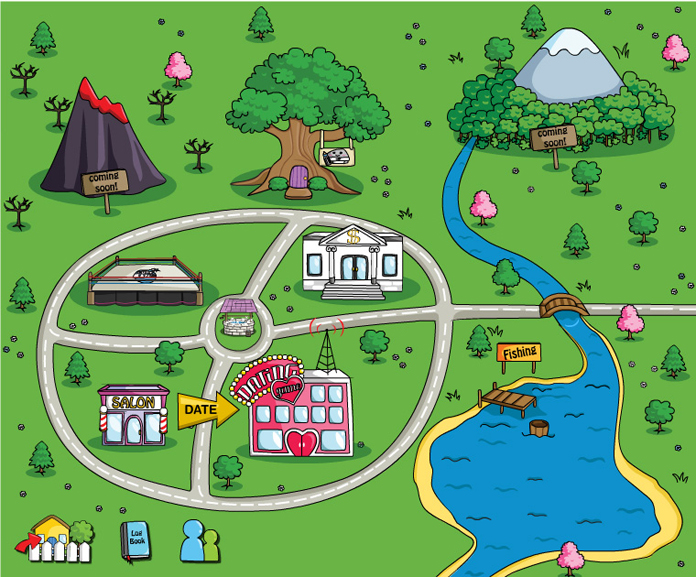
Don’t be fooled by the cartoon graphics and 2D environment of MPR. The process of developing a successful social game is not simple. Artists, designers and programmers must work together efficiently and adaptively. According to PBG’s Technical Artist Drew Nicolo, “…being a small company was very beneficial when first starting out. When you only have 3 people developing a game it’s fairly easy for everyone to stay on track, but as we added people and ramped up production it became increasingly important to make sure the art and code teams were working in unison with each other.”
Nicolo adds that getting started in the world of game development does not require the expensive investment costs it once did. “It is much easier for independent developers and small studios to get into game development now than in the past. Until a few years ago, studios had to shell out huge sums of cash to license engines, regardless of size. For 3D gaming there are now tools like Epic’s Unreal Development Kit and Unity that are free to download and have various licensing options available depending on the size of your team if you decide to commercially release a title.” Though Nicolo does admit that PBG, and most social game developers, require 2D assets developed in vector based graphics softwares like Adobe Illustrator. There are less expensive alternatives to Illustrator on the market, but Nicolo says these are “less powerful.”
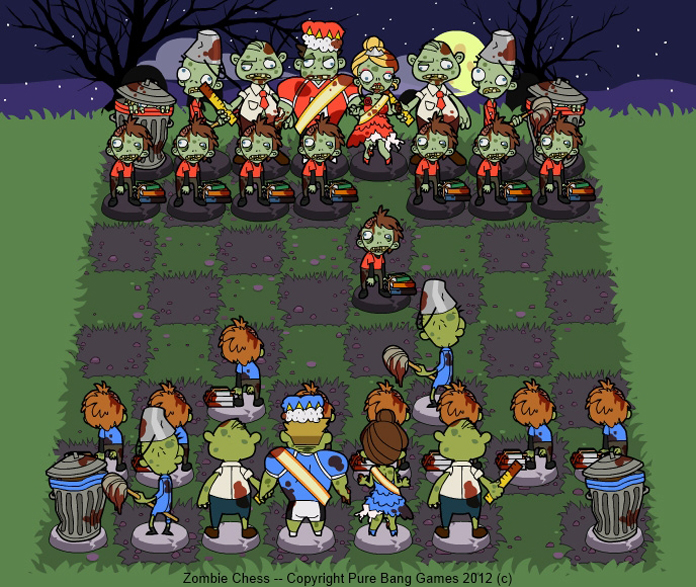
PBG’s success depends on leveraging the talents of its artists, designers, and coders. While each sector must understand its role, there is a definite need for people to wear “multiple hats” during the development process. Nicolo explains “on both the coding and art side of the development process you have people of varying degrees of familiarity with other parts of the process. Some artists might know how to set up assets so they can be accessed via code, while others might be completely in the dark.” Lead Artist Halvgoeden Gallagher describes the role of concept art as “muse:” “A lot of the concept art you do very early on is helpful for shaping the style and feeling of the game, but it generally acts as more of an inspiration to the rest of the team. When designers can look at a still of the bustling towns they’ve been talking about in meetings it brings the world to life and fills the concept with energy.”
Nicolo points out that social gaming is a rapidly changing industry that incorporates user feedback with startling speed. “One of the most exciting parts of working on social games is the extremely iterative nature of the process. We can push up a new build of the game and within days we have feedback from thousands of players. We can take the feedback and incorporate it into our next build. There are many features of My Pet Rock that came about directly as a result of player feedback.” Therefore, flexibility during development is of the utmost importance in creating a product that fits the needs of the social gaming environment. Gallagher adds “sometimes in pre-production and in the early production stages, it’s a good idea for the artists to stay fluid and not get attached to any small details so they can pump out rough assets for the prototype. This cuts down on changes that will need to be done later because you catch things you don’t like early on and also fills the role of bringing the world to life.”
The future looks bright for PBG. The company was recently awarded first place in TowsonGlobal’s Business Plan Competition. PBG has released two new titles, and the company continues to grow. Gallagher sums it up nicely: “Maintaining the core original concept for your game while also strengthening it for the user experience is an iterative and humbling process. The final product is never what your team had in mind when you began, but if you roll with the punches and let go of a little bit of ego it comes together in the end.”